It’s the question that trips up more Cape Town homeowners than any other before a renovation: do I actually need approved building plans for this? Get it wrong and you risk fines, demolition orders, problems selling your home, and voided insurance claims. Get it right and the process is far less daunting than most people fear.
Here’s a plain-English guide to when you need plans, what’s exempt, and how approval works through the City of Cape Town.
⚠️ Building regulations change and individual properties have their own conditions (heritage, zoning, body corporate rules). Always confirm with the City of Cape Town or a registered professional before starting. This article is general guidance, not legal advice.
The general rule
Under South Africa’s National Building Regulations, any new building work that alters the structure, footprint or use of a building generally requires approved plans before you start. In Cape Town, those plans are submitted to and approved by the City of Cape Town’s Building Development Management department.
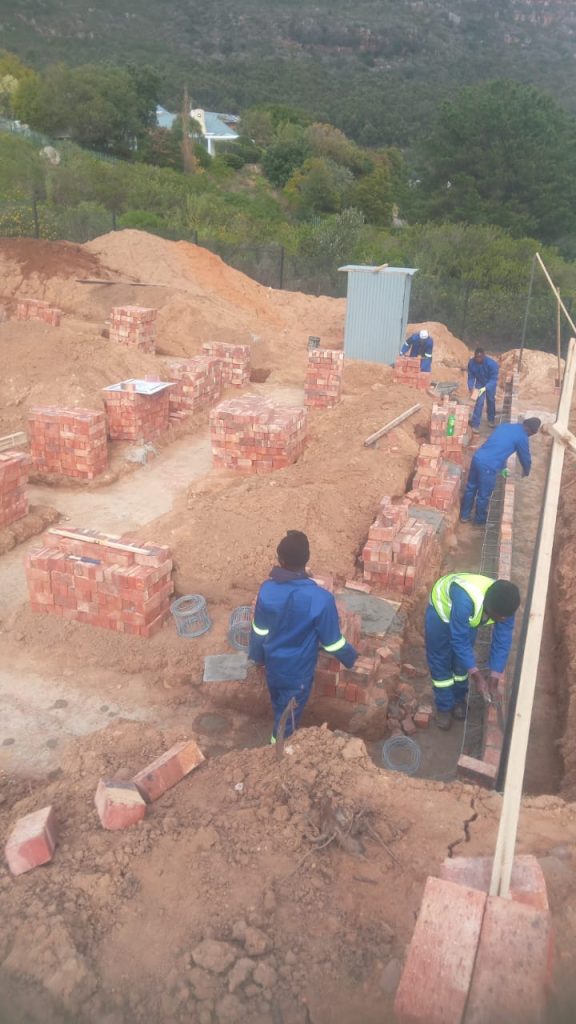
The principle is simple: if you’re changing the structure or adding floor area, assume you need plans until you’ve confirmed otherwise.
Work that usually NEEDS approved plans
You’ll almost always need approved building plans for:
- Extensions and additions — extra rooms, a second storey, enlarging existing rooms
- A new garage, granny flat, cottage or outbuilding
- Structural changes — removing or moving load-bearing walls, new openings in structural walls
- Adding or enlarging a carport, patio, deck or pergola above the exempt size
- Swimming pools
- Changing the roofline or roof structure
- Converting a garage into a habitable room, or a single dwelling into multiple units
- Boundary and retaining walls above a certain height
Minor work that’s often EXEMPT
Some minor and cosmetic work usually does not require full plan approval — though some still needs council notification. This typically includes:
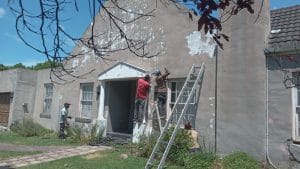
- Repainting and re-plastering
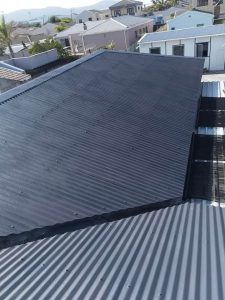
- Replacing a roof covering like-for-like
- Re-tiling, new flooring and internal cosmetic finishes
- Replacing kitchen or bathroom fittings in the same position
- Minor, non-structural repairs and maintenance
- Small free-standing structures and certain minor works below the regulated size thresholds
The line is structural and footprint changes. A like-for-like cosmetic refresh is usually fine; moving a load-bearing wall or extending the building is not.
Why approval matters (the risks of skipping it)
Building without approved plans is a false economy. The consequences include:
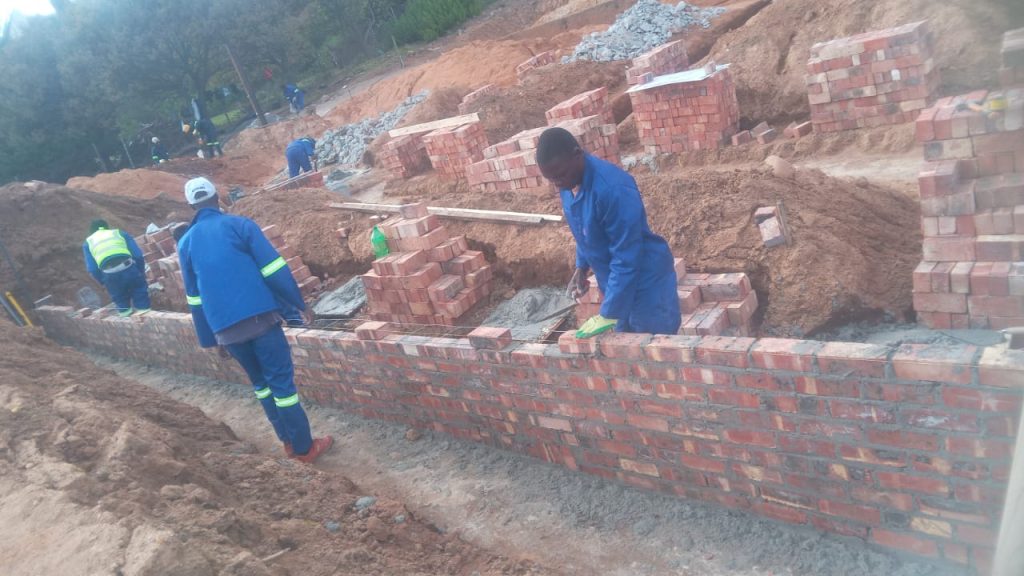
- Fines and penalties from the municipality
- Stop-work or demolition orders — you may be forced to remove unapproved work
- Problems selling. Buyers’ conveyancers and banks increasingly ask for approved plans; unapproved structures can sink or delay a sale.
- Insurance issues. Insurers can reject claims relating to unapproved or non-compliant building work.
- Safety risks. Plans and inspections exist to ensure the work is structurally sound.
How the building plan approval process works
While every project differs, the typical path in Cape Town looks like this:
- Appoint a competent person. Architectural drawings must be prepared by a registered architect or draughtsperson. Structural work also needs a registered engineer.
- Prepare the plans. Drawings must comply with the National Building Regulations, your zoning scheme and any title-deed conditions.
- Submit to the City of Cape Town, usually via the online building plan submission system, with the required documents and fees.
- Review and approval. The City checks compliance. Straightforward residential plans are often processed within around 30 days; larger or more complex submissions take longer, especially if heritage or departures are involved.
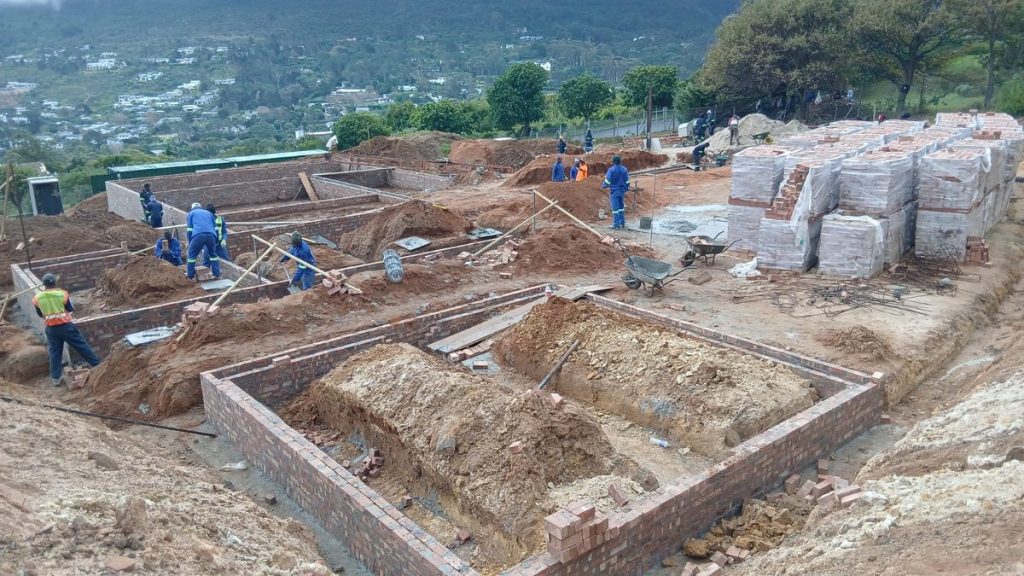
- Build with inspections. Once approved, construction can begin, with municipal inspections at key stages.
- Occupancy certificate. For major work, a certificate of occupancy confirms the building is fit to use.
Special cases to watch in Cape Town
- Heritage properties. Homes older than 60 years, or in heritage areas, may need Heritage Western Cape approval — this adds time.
- Sectional title and HOAs. If you’re in a complex or estate, you’ll usually need body corporate / homeowners’ association consent as well as council approval.
- Zoning and building lines. Extensions must respect setback (building line) rules and coverage limits for your erf.
How a good contractor helps
An experienced renovation and construction company doesn’t just build — it helps you navigate the paperwork. The right partner will tell you upfront whether your project needs plans, connect you with a draughtsperson or architect, build strictly to the approved drawings, and coordinate the municipal inspections. That keeps your project legal, insurable and sale-ready.
Frequently asked questions
Do I need approved building plans to renovate in Cape Town?
If your renovation involves structural changes, extensions or added floor area, yes — you need plans approved by the City of Cape Town before starting. Purely cosmetic work like painting, re-tiling or replacing fittings in the same position usually does not.
Do I need plans for a small extension or carport?
Extensions and additions almost always require approved plans. Carports, patios, decks and pergolas need approval once they exceed the regulated size thresholds. Confirm with the City before building.

How long does building plan approval take in Cape Town?
Straightforward residential plans are often processed within about 30 days, but complex projects, heritage properties or applications requiring departures can take considerably longer.
What happens if I build without approved plans?
You risk fines, stop-work or demolition orders, rejected insurance claims, and serious problems when you try to sell, because buyers and banks require approved plans.
Who can draw up building plans?
Plans must be prepared by a registered architect or architectural draughtsperson, and structural elements signed off by a registered engineer.
Renovate the right way in Cape Town
Don’t let paperwork stall your project — or worse, land you with a demolition order. Around The House Building Services handles renovations, extensions and construction across Cape Town and guides you through the plan-approval process from the start.
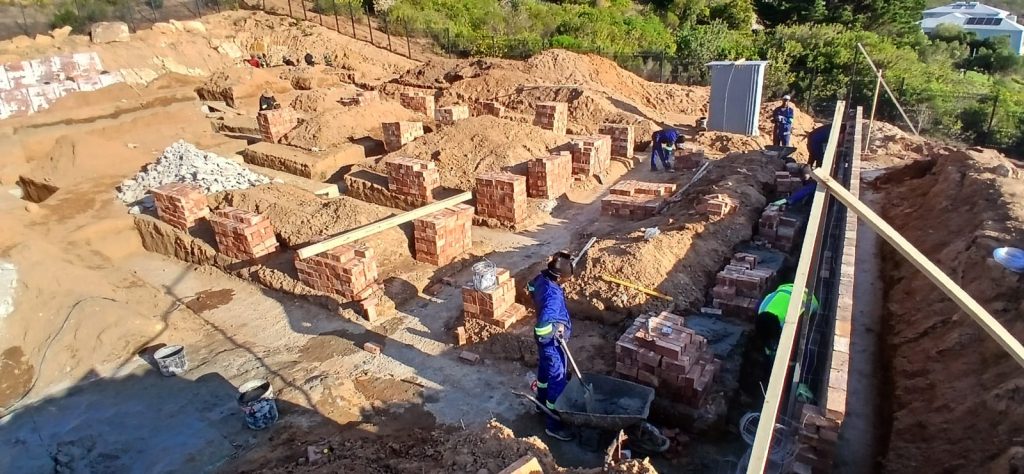
👉 Next steps: Get a free quote & consultation · Our renovation services · All building services · Browse recent projects · Contact our Cape Town team
Related guides: How much does a renovation cost in Cape Town? · How much does waterproofing cost in Cape Town?
Need help getting your plans approved?
We handle the drawings, the council submission and the build itself, so you are not chasing three different people. Tell us what you are planning and we will explain the process and cost it out.