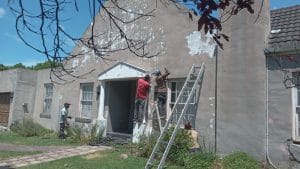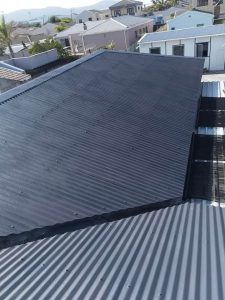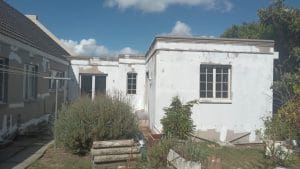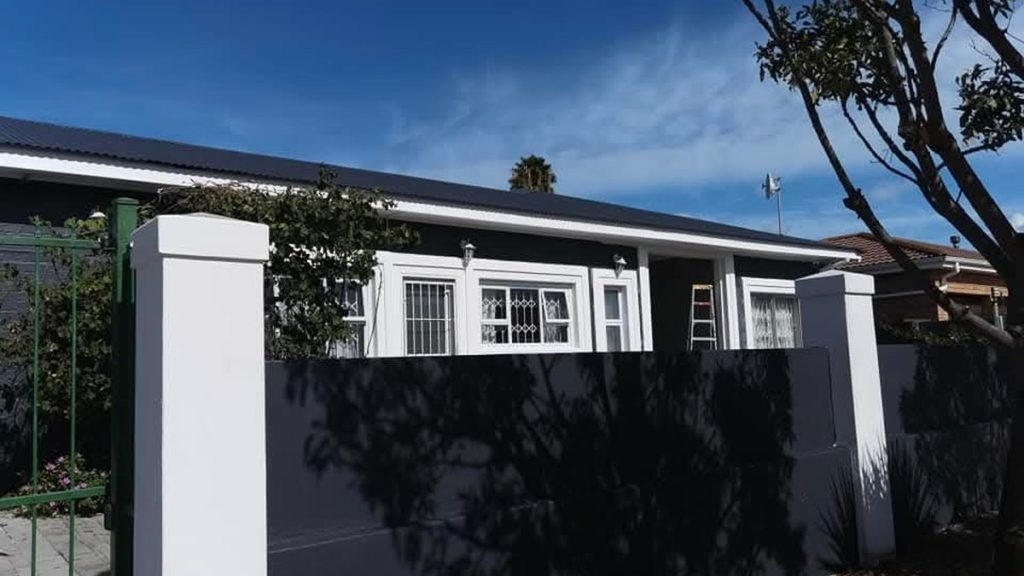
Few problems frustrate Cape Town homeowners more than damp walls. The paint bubbles, a tide mark creeps up from the skirting, and a musty smell settles in — no matter how many times you repaint. The reason repainting never works is simple: you’re treating the symptom, not the cause. To fix damp permanently, you first need to understand what’s actually happening inside your walls.
This guide explains the three types of damp, how to tell them apart, and the proven ways to fix rising damp for good.
First, identify the type of damp
Not all damp is “rising damp,” and the fix is completely different depending on the cause. There are three main types:
1. Rising damp
This is groundwater being drawn upward through your walls by capillary action — like a sponge soaking up water. It usually stops around 1 to 1.5 metres above floor level and leaves a characteristic horizontal “tide mark.” It happens when a building has no damp-proof course (DPC), or the existing DPC has failed or been bridged.
2. Penetrating damp
This is water coming in sideways through the wall — through cracks, failed waterproofing, damaged plaster, leaking gutters or porous brickwork. It often appears as isolated damp patches higher up the wall, and it gets noticeably worse after rain. This is common on Cape Town’s weather-facing walls during winter.
3. Condensation
This is moisture from inside the home — cooking, showering, drying laundry indoors — settling on cold surfaces. It typically shows up as black mould in corners, around windows and in poorly ventilated rooms, especially in winter.
Getting this diagnosis right is everything. Applying a rising-damp treatment to a wall that actually has penetrating damp wastes money and fixes nothing.
What causes rising damp?
Rising damp specifically is caused by:
- A missing or failed damp-proof course (DPC). Older homes may never have had one, or the original layer has degraded over time.
- A bridged DPC. Garden beds, paving, plaster or render built up against the wall above the DPC line lets moisture bypass it.
- High external ground levels. If the soil or paving outside sits above your internal floor level, water has an easy path in.
- Blocked or poor drainage around the foundation, keeping the base of the wall permanently wet.
The warning signs
Look for these tell-tale signs of rising damp:
- A horizontal tide mark roughly 1–1.5 m up the wall
- Salt deposits (a white, fluffy or crystalline residue) on the plaster
- Peeling, bubbling or flaking paint near the skirting
- Crumbling or “blown” plaster that sounds hollow when tapped
- Rotting skirting boards or warped timber at floor level
- A persistent musty, earthy smell
How to fix rising damp (properly)
Fixing rising damp is a process, not a quick paint job. A proper repair usually involves:
- Diagnosis. A professional confirms it’s genuinely rising damp and finds the source — often using a moisture meter and inspecting the DPC and external ground levels.
- Installing or restoring a damp-proof course. The most common modern fix is a chemical DPC injection — a water-repellent cream or fluid injected into the base of the wall to create a new barrier against rising moisture.
- Removing contaminated plaster. Old plaster is saturated with salts that will keep drawing in moisture, so it must be hacked off (typically up to a metre above the damp line).
- Re-plastering with a salt-resistant render. A specialised damp-resistant plaster system is applied so the salts can’t bleed back through.
- Fixing the contributing factors. Lowering high external ground levels, clearing bridged DPCs, and improving drainage so the problem doesn’t return.
- Repainting — only once the wall has dried out — with a breathable paint.
Skipping the plaster removal or the external fixes is why so many “damp treatments” fail within a year.
What about penetrating damp and condensation?
- Penetrating damp is fixed by sealing the entry point — repairing cracks, re-waterproofing walls and roofs, fixing gutters and downpipes, and re-rendering porous brickwork.
- Condensation is fixed with better ventilation (extractor fans, air bricks, opening windows), heating cold rooms, and drying laundry outdoors rather than inside.
Why you shouldn’t just keep repainting
Painting over damp traps moisture in the wall, and within weeks the paint blisters again. Worse, ongoing damp rots timber, corrodes fixings, damages plaster and creates mould that affects indoor air quality. Every month you delay, the affected area — and the eventual repair bill — grows. The economical move is to diagnose and fix the root cause once.
Frequently asked questions
What causes rising damp in walls?
Rising damp is caused by groundwater rising through the wall via capillary action, usually because the damp-proof course is missing, failed or bridged, or because external ground levels are too high. It typically rises 1–1.5 m and leaves a tide mark.
How do you permanently fix rising damp?
The proven fix is to install or restore a damp-proof course (often by chemical DPC injection), remove the salt-contaminated plaster, re-plaster with a salt-resistant render, and correct external causes such as high ground levels and poor drainage.
Can I fix rising damp myself?
Minor contributors like clearing a bridged DPC or improving drainage can be DIY, but diagnosing the correct type of damp and installing a DPC plus salt-resistant plastering is specialist work. Getting the diagnosis wrong wastes money.
How do I know if it’s rising damp or penetrating damp?
Rising damp starts at the bottom of the wall with a tide mark up to about 1.5 m and shows salt deposits. Penetrating damp appears as isolated patches higher up and worsens after rain. Condensation shows as black mould in corners and around windows.
Will repainting fix damp walls?
No. Painting over damp only hides it temporarily — the moisture is still in the wall, so the paint will blister and peel again. You must fix the underlying cause first.
Stop damp at the source
Damp doesn’t fix itself, and it doesn’t get cheaper to repair. Around The House Building Services diagnoses and treats rising, penetrating and condensation damp across Cape Town — from DPC installation and salt-resistant plastering to waterproofing the source.
👉 Next steps: Get a free quote · See our damp & building services · Our painting services · Our renovation services · Contact our Cape Town team
Related guides: How much does waterproofing cost in Cape Town? · The best time to paint your house in Cape Town