Not Every Wall Crack Means the Same Thing
Cracks can form in paint, plaster, masonry or at joints between materials. Fine surface cracks may come from shrinkage or normal movement, while wider, stepped or changing cracks deserve closer attention. The pattern, width, location and history matter more than one photograph.
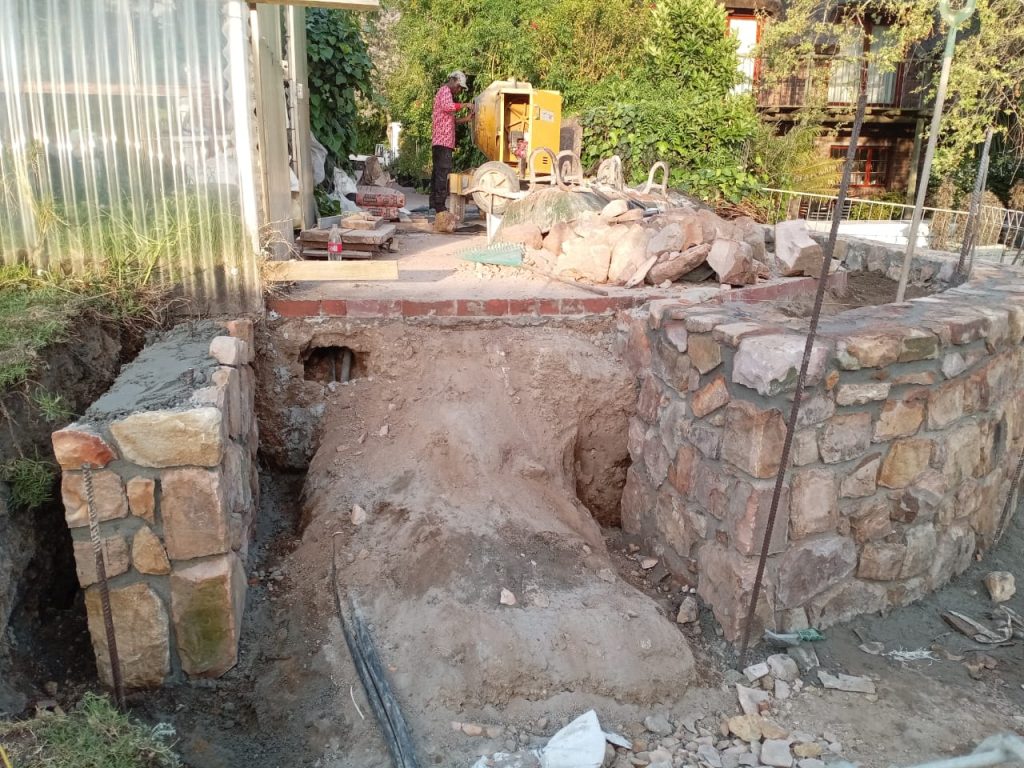
Larger homes and sloping sites, such as properties served by our Bishopscourt building team, may involve retaining walls, drainage and different foundation conditions that should not be diagnosed casually.
Signs That Need Professional Attention
- A crack is widening or returns quickly after repair
- Doors or windows suddenly bind
- Floors slope or separate from skirtings
- Cracks run diagonally from openings
- Brickwork has stepped cracking
- Water enters through the crack
These signs do not prove structural failure, but they justify assessment before cosmetic patching.
Why Cracks Return
Filling the surface will not solve ongoing movement, moisture, poor drainage or an unstable substrate. Exterior cracks can also admit rain, damaging plaster and paint. The cause should be understood before choosing a flexible filler, local rebuild, waterproof repair or professional structural solution.
What Homeowners Should Do
Photograph the crack with a date and scale, note nearby leaks or sticking openings, and avoid hiding it before inspection. Significant concerns should be referred to a suitably qualified engineer. Once the cause is stable, our team can handle appropriate plaster, waterproofing and painting repairs.
Frequently Asked Questions
Can you tell from a photo if a crack is structural?
A photo helps, but often cannot show movement, depth or the surrounding building.
Can damp cause cracking?
Moisture can damage finishes and masonry, while drainage problems may contribute to movement.
Should I paint over hairline cracks?
Prepare and repair them first; otherwise they may remain visible or return.

Contact Around The House for building repairs or a site assessment.
Common Types of Wall Cracks
Fine crazing may be limited to plaster or paint. Straight cracks can follow board joints. Diagonal cracks from doors and windows occur where openings concentrate stress. Stepped brickwork cracks, widening gaps, sloping floors and sticking doors deserve closer attention. Width alone cannot diagnose a crack; location, depth and rate of change matter.
Moisture, Foundations and Movement
Roof leaks, blocked drainage and penetrating damp can damage finishes. Changing soil moisture and poor stormwater control may contribute to movement near foundations. Other cracks result from drying shrinkage. The investigation must consider the whole building.
When to Call an Engineer
A contractor can assess finishes, but suspected structural movement should go to a registered structural engineer. The engineer may recommend monitoring, drainage work or structural repair.
More Crack Questions
What size wall crack is serious?
There is no universal safe width. A narrow crack that keeps growing may matter more than a stable surface crack.
How do I monitor it?
Take dated photographs against a ruler and note changes after rain.
Are diagonal cracks dangerous?
They can reflect stress, settlement or lintel problems. Repeated or widening cracks need inspection.
Can poor drainage crack walls?
Persistent water near foundations can affect soil and materials; gutters and surface falls should carry it away.