Most Cape Town homes need an exterior repaint every 5 to 10 years, and interior walls every 5 to 7 years, but the calendar is only a rough guide. The real answer is to repaint your house when the paint stops protecting the wall: when it chalks, cracks, flakes, fades badly or lets damp in. A house in Sea Point or Kommetjie that takes salt spray and wind every day can need attention after five years, while a sheltered home in the southern suburbs or the northern suburbs can go closer to ten. This guide covers the signs to look for, typical repaint intervals for different surfaces, and how coastal and inland homes differ. For the separate question of which months are best for painting, see our guide on the best time to paint a house in Cape Town.
How Often Should You Repaint Your House in Cape Town?
These are the intervals we see on Cape Town homes painted with good quality paint over properly prepared surfaces. They are typical ranges, not promises, and cheaper paint or poor preparation can cut them in half.
| Surface | Coastal or exposed | Sheltered or inland |
|---|---|---|
| Exterior plastered walls | 5 to 7 years | 7 to 10 years |
| Timber windows, doors, fascias and eaves | 2 to 4 years | 3 to 5 years |
| Steel gates, burglar bars and railings | 2 to 4 years | 4 to 6 years |
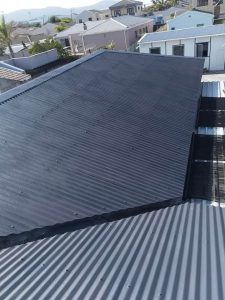
| Painted roof sheets or tiles | 5 to 8 years | 8 to 10 years |
| Interior living areas and bedrooms | 5 to 7 years | 5 to 7 years |
| Kitchens, bathrooms, passages, children’s rooms | 3 to 5 years | 3 to 5 years |
The walls that face the weather fail first. In Cape Town that usually means the north-west side, which takes the winter rain, and the north and west sides, which take the strongest sun. It is common for one or two sides of a house to need painting while the others still look fine.
Signs It Is Time to Repaint Your House
Walk around the outside of the house once a year, ideally at the end of winter, and look for these signs.
Chalking paint
Rub your hand on the wall. If it comes away covered in a fine powder the colour of the paint, the binder in the paint has broken down in the sun. Chalky paint no longer sheds water properly. It is often the first sign that a repaint is due within a year or two.
Faded, patchy paint colour
Strong colours fade fastest, especially on north and west walls. Fading on its own is cosmetic, but uneven fading often goes hand in hand with chalking.
Hairline cracks in the paint
Fine cracks in the paint film let water in behind it. Look closely at the difference between cracks in the paint and cracks in the plaster or brickwork underneath. Plaster cracks need repair before painting; our article on cracks in walls explains which ones are serious.
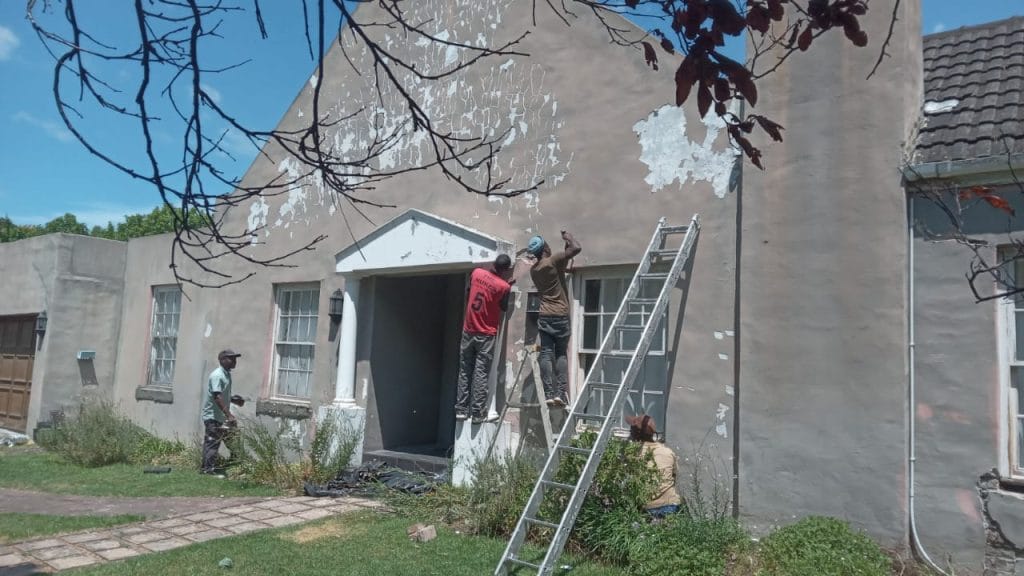
Peeling, flaking and blistering paint
Once paint starts lifting, water gets behind it and the damage spreads quickly in a wet winter. Blistering, especially low down on a wall, often points to moisture coming through from behind. Painting over it will not last. Find the cause first; see our guide to rising damp causes and signs.

Mould and staining on painted walls
Black or green patches on south-facing walls and under eaves are common in damp parts of Cape Town. Mould can be washed off and treated, but if it keeps coming back, the paint film is no longer resisting moisture.
Bare timber and rust through the paint
Window frames, fascia boards and steel work show wear long before the walls do. Bare grey timber or rust spots are a sign to paint those parts now, even if the walls can wait. Leaving them costs more in repairs than the paint ever would.
Repainting Coastal Homes vs Inland Homes
Cape Town has very different conditions within a short drive. That is why we never give a single “repaint every X years” answer.
How often to repaint coastal homes
Homes in places like Sea Point, Camps Bay, Bloubergstrand, Muizenberg, Fish Hoek, Kalk Bay, Kommetjie and Simon’s Town deal with salt in the air, strong wind and driving rain. Salt settles on walls and metal, draws in moisture and speeds up rust on gates, bars and roof fixings. Wind-blown sand wears the surface. On these homes we usually plan exterior repaints at the shorter end of the range, use paint systems made for coastal exposure, and pay extra attention to steel and timber.
A useful habit for coastal owners is to hose down exposed walls and metal work a few times a year to rinse off salt. It noticeably extends the life of the paint.
How often to repaint inland homes
Further from the sea, in areas such as the northern suburbs or the leafier southern suburbs, salt is less of an issue. The main enemies are summer sun on the north and west walls, and damp and mould on shaded walls under trees. Here exterior paint often lasts toward the longer end of the range, provided the walls were properly prepared.
What Shortens the Life of Paint
When paint fails early, it is rarely the paint alone. The usual causes are:
- Poor preparation: painting over dirt, chalky paint, salts or loose plaster.
- Damp walls: painting walls that have not dried out after rain, or walls with an ongoing damp problem.
- Wrong product: interior or low-grade paint used outside, or no primer on new plaster.
- Too few coats: one coat looks fine on day one but does not build enough film to last.
- Unrepaired cracks and leaks: water getting in from a parapet, gutter or flat roof and pushing the paint off from behind.
If damp is the cause, fix that first. We often combine painting with waterproofing on parapets, flat roofs and exposed walls so the new paint is not fighting a leak.
Repaint or Touch Up?
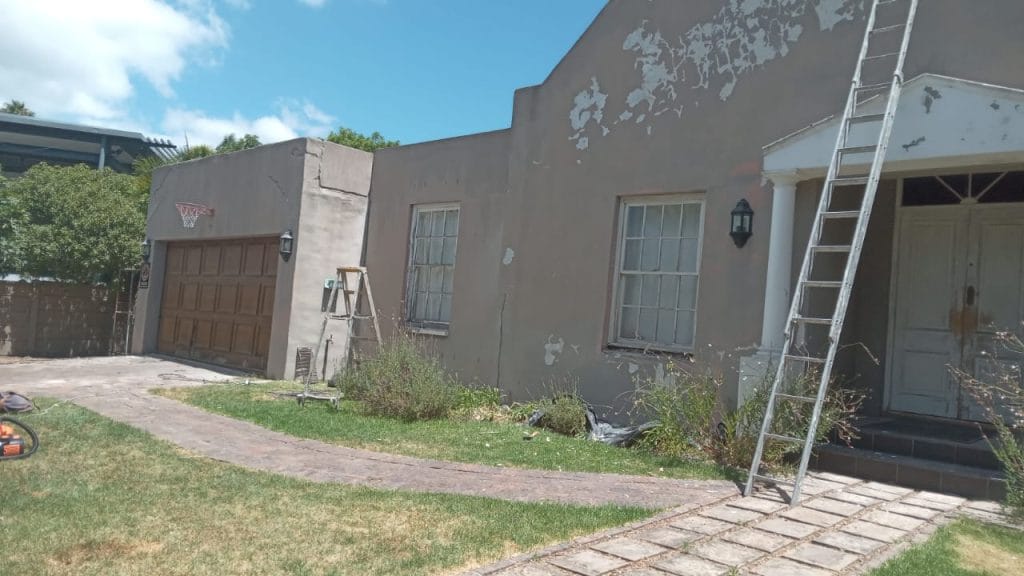
Not every sign means a full repaint. If one wall is weathered and the rest are sound, painting that elevation, plus the timber and steel work, is often the sensible choice. Touching up small patches rarely works on older paint because the new paint will not match the faded colour. Painting a whole wall from corner to corner gives an even finish.
A full repaint makes sense when chalking, cracking or peeling shows on most walls, when you want to change colour, or when you are preparing to sell. Fresh exterior paint is one of the improvements that makes a strong first impression for buyers; our article on home improvements that add value covers others.
When to Repaint Interior Walls
Inside the house, wear matters more than weather. High-traffic areas such as passages, kitchens, children’s rooms and around light switches show marks first and are usually due every 3 to 5 years. Bedrooms and formal lounges can go longer. Bathrooms with poor ventilation may show mould and peeling around the ceiling sooner; better ventilation and a bathroom paint with mould resistance help.
Repainting Your House: Common Questions
How long does exterior paint last on a Cape Town house?
With good paint and proper preparation, typically 7 to 10 years on sheltered walls and about 5 to 7 years on exposed or coastal walls. Timber and steel work need attention more often.
Do I need to repaint the whole house at once?
No. If only the weather-facing walls are worn, painting those plus the timber and steel can buy you a few more years before a full repaint.
Can I paint over peeling paint?
No. Loose paint must be scraped and sanded back, cracks filled, and the cause of any damp fixed. New paint over failing paint will peel with it.
Why does the paint on my coastal home fail so quickly?
Salt, wind and driving rain break down paint faster than inland conditions. Using a coastal-grade paint system, sound preparation and rinsing walls of salt regularly all help it last longer.
If your walls are showing any of these signs, our team can assess what needs doing now and what can wait. See our painting services or request a quote for a site visit.