Plan the Bathroom Before Demolition
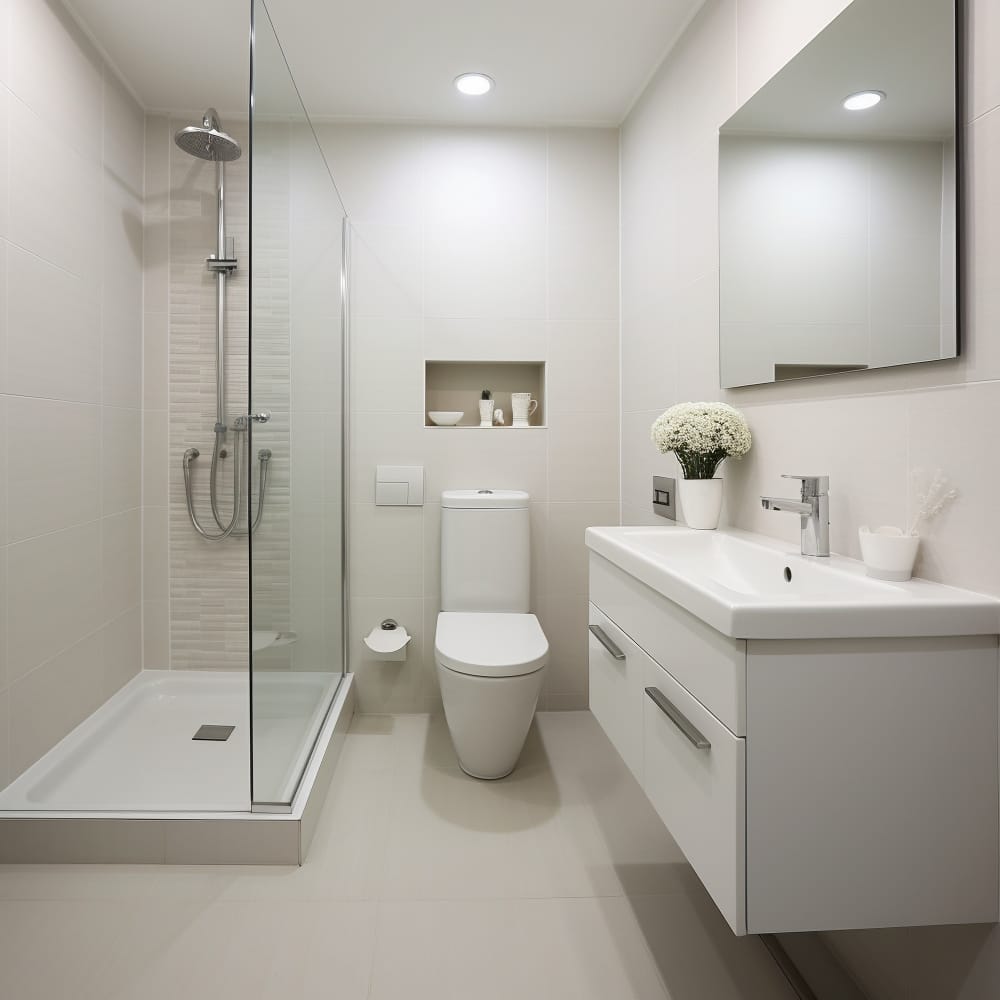
A bathroom renovation combines plumbing, waterproofing, tiling, ventilation, electrical work and joinery in a small space. Finalise the layout and key fittings before demolition so pipe positions, tile quantities and clearances can be checked.
For homes in Constantia and across Cape Town, the existing floor, walls and concealed plumbing may affect what is practical. Keep contingency for defects that only appear once old finishes are removed.
Bathroom Renovation Checklist
- Confirm the layout and door swing
- Select bath, shower, basin and toilet
- Check water pressure and drainage
- Plan lighting, sockets and extraction
- Choose tiles and calculate waste
- Define waterproofing areas and falls
- Confirm storage, mirrors and accessories
- Agree who removes rubble and cleans
Waterproofing Comes Before Tiles
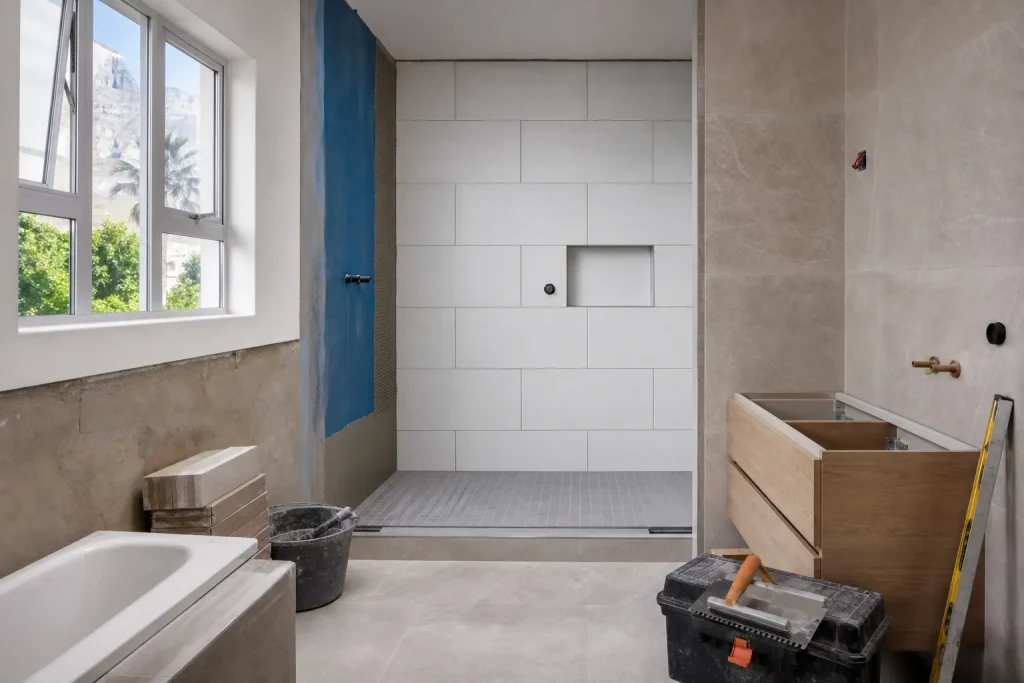
Grout and tiles are not the primary waterproof layer. Wet-area substrates, junctions, penetrations and shower floors need the appropriate system and curing time. A leaking bathroom can damage adjoining rooms and the ceiling below.
Avoid These Common Mistakes
Do not buy fittings without checking dimensions, squeeze a large layout into a small room, or begin before all concealed work is defined. Poor falls can leave standing water, while weak ventilation encourages condensation and mould.
For the full strip-out-to-finish service, see bathroom renovations in Cape Town.
Frequently Asked Questions
How long does a bathroom renovation take?
It depends on demolition, hidden repairs, material availability and curing; several trades must work in sequence.
Can the toilet stay in the same place?
Usually the simplest option, but the existing arrangement and desired layout determine feasibility.
Do I need approval?
Internal like-for-like work may not, but structural or significant plumbing changes should be checked.
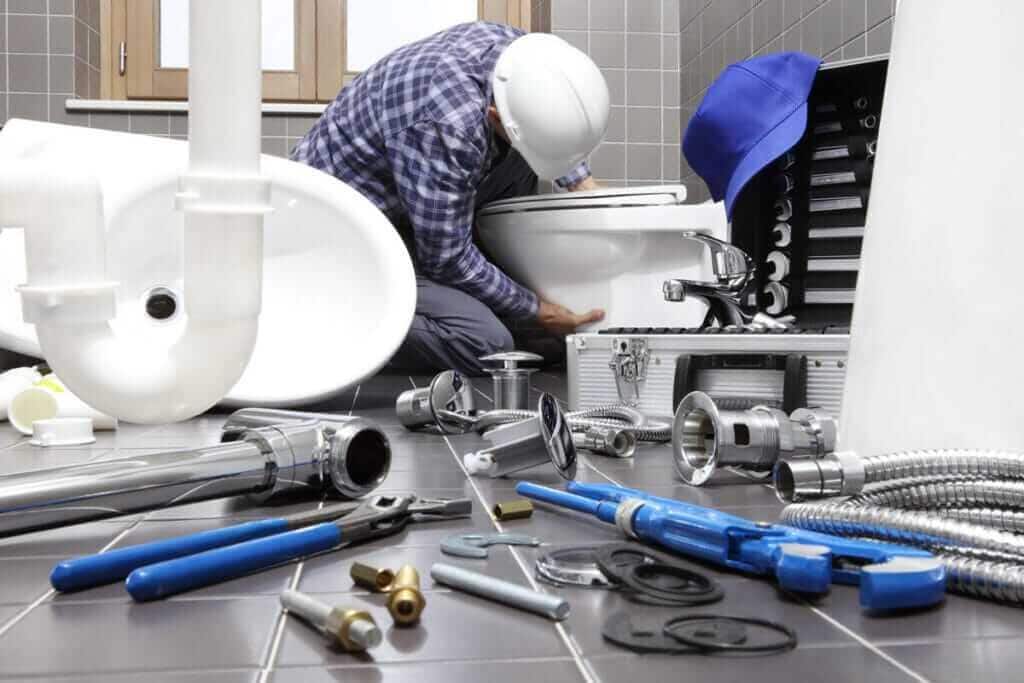
See our renovation services and request a bathroom quote.
Budget for Work Behind the Tiles
A complete quote should cover demolition, rubble, plumbing and electrical alterations, substrate repairs, screeds, falls, waterproofing, tiling, painting, fitting, sealing and testing. Keep contingency for corroded pipes, rotten timber or loose plaster uncovered during stripping.
Ventilation, Lighting and Safety
Good ventilation controls condensation and mould. Where airflow is poor, consider a correctly sized extractor with a suitable discharge route. Plan mirror and general lighting. Bathroom electrical work must use suitable fittings and a qualified person.
Bathroom Handover Checks
Test water, drainage, toilet, extractor, lights and plugs. Inspect falls to wastes, silicone, grout, valve access, clearances and fitting stability. Record snags before sign-off.
More Bathroom Questions
How much does a bathroom renovation cost?
Size, layout changes, products and hidden repairs determine cost; a site visit is needed.
Can tiles go over old tiles?
Sometimes, if the old layer is sound, levels work and a suitable bonding system is used.
Where is waterproofing needed?
Follow the specified system, paying attention to showers, floors, corners and penetrations.
What should I buy first?
Confirm tiles, sanitaryware, taps, wastes, cabinets and shower dimensions before rough services.