
Building Contractors in Lakeside, Cape Town
Building work in Lakeside should start with the property itself, not a suburb-wide assumption. Homes close to the Zandvlei wetland system can have very different levels, drainage routes and exposure, while properties nearer the mountain-facing side have their own roof and runoff patterns. Around The House scopes renovations, repairs and maintenance after inspecting the building, its access and the way water moves around it.
We help homeowners coordinate practical building work without presenting every damp mark as the same problem. The first objective is to separate plumbing leaks, roof entry, failed sealants, surface runoff, condensation and ground-related moisture before finishes are removed or replaced.
Lakeside renovations built around water management
A kitchen, bathroom or extension changes more than the visible room. New floors can alter thresholds, additional roof area increases stormwater demand, and paving can direct water toward walls if falls are wrong. Our residential renovation service considers these interfaces before pricing so attractive upgrades do not create avoidable moisture problems.
For additions, we inspect the proposed old-to-new junction, external ground levels, gutters, downpipes and likely service routes. Where design, structural input or municipal approval is required, that work should be resolved by the appropriate professional before construction depends on an assumption.
Diagnosing damp, roof leaks and damaged finishes
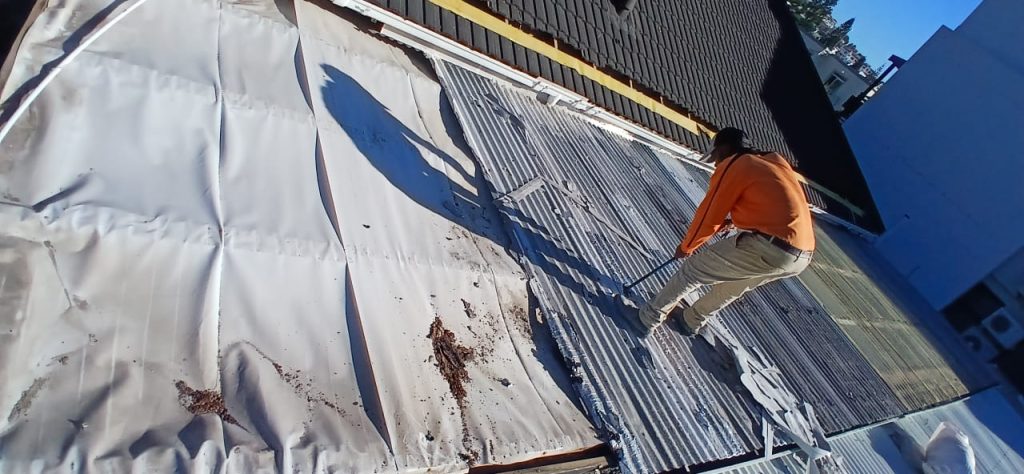
A stain does not identify its cause. Water can travel along roof timbers, pipes or masonry and appear away from the entry point. We record when the symptom occurs, inspect nearby drainage and penetrations, and define opening-up or testing where the cause is concealed. The resulting quotation should state what will be prepared, repaired and tested.
Exterior coatings and waterproofing need a sound substrate. Applying another layer over loose paint, trapped moisture or incompatible sealant usually postpones failure. Our broader building services cover the repair sequence as well as making good the final finish.
Paving and external works near a wetland system
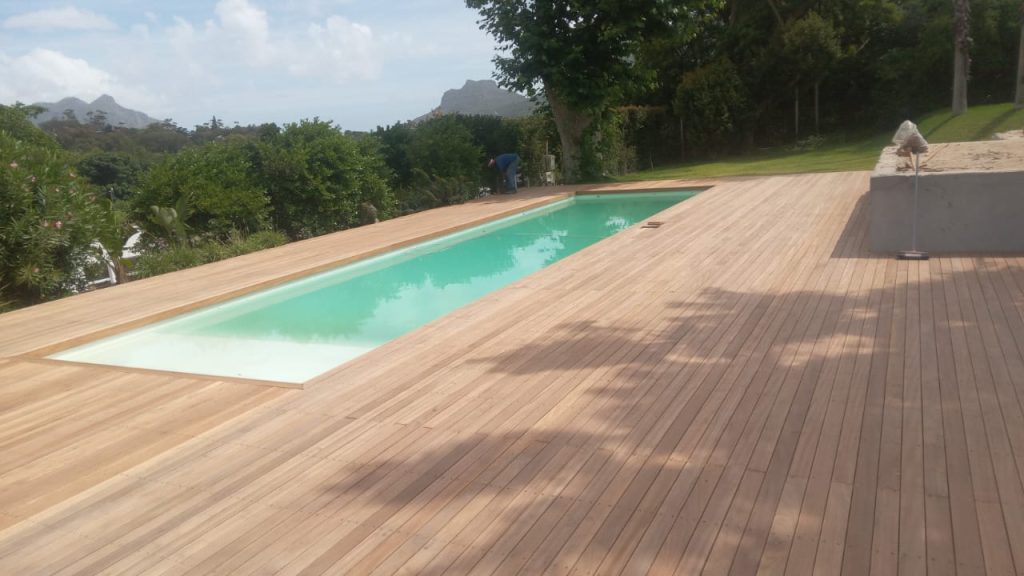
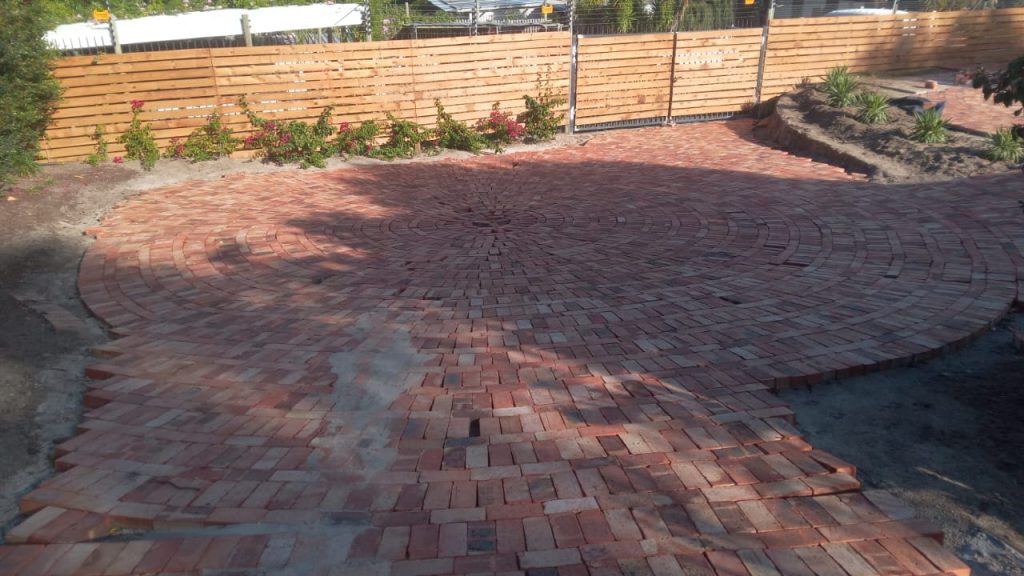
Being near Zandvlei does not prove that a particular erf floods or has a high water table. It does mean owners should avoid casual claims and examine actual levels and drainage. Paving must shed water safely without concentrating it at the house, a boundary or neighbouring property. Channels and outlets need accessible maintenance routes rather than disappearing beneath new finishes.
Before approving paving work, check door thresholds, air bricks, existing damp-proof courses and the destination of runoff. If excavation reveals saturated or unsuitable material, the team should pause, document it and agree the correct response instead of covering it.
Planning work in an occupied Lakeside home
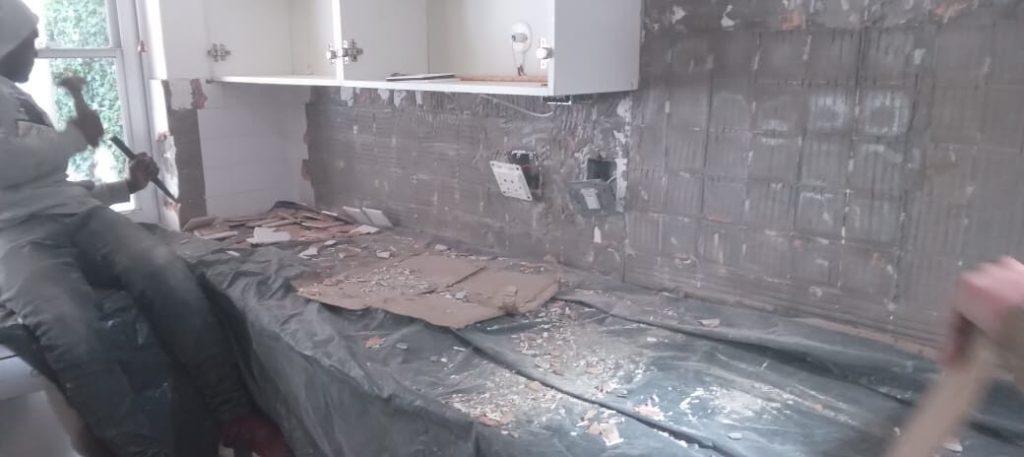
Many renovations happen while the household remains on site. We define which entrance, bathroom, parking area and utility connections stay available. Dust barriers, material storage, rubble removal and daily safe closure belong in the scope. A smaller well-sequenced work area can be more practical than opening several rooms at once.
Weather protection is especially important when roofs or external walls are opened. Covers need falls, secure edges and a safe discharge point; a flat tarp holding water is not a plan. The programme should contain protected alternative tasks for unsuitable weather rather than forcing coatings or waterproofing onto damp substrates.
What a useful Lakeside quotation should show
A site-based quote should identify demolition, preparation, products or allowances, labour, protection, disposal, testing and making good. It should state exclusions and how concealed defects will be photographed and approved. Compare complete scopes, not only totals. Our guide to comparing renovation quotations explains how to normalise missing items.
Payment milestones should follow visible progress and agreed procurement. Variations need a written price and time effect before changed work proceeds. Keep enough value outstanding for testing, snagging, cleaning and the project records promised at handover.
Choosing the right first phase for a Lakeside property
When several defects and improvements compete for the same budget, start with work that protects the building and prevents later rework. Active roof entry, unsafe electrical conditions, leaking supply or waste pipes, and external levels directing water toward the house normally need investigation before new cabinetry, flooring or decorative coatings. This does not mean every maintenance item must become a large project. It means the order should be based on consequence and dependency rather than which finish is most visible.
Ask the contractor to divide the proposal into essential repairs, enabling work and optional improvements. For example, a patio upgrade may depend on correcting a downpipe outlet and confirming the finished threshold first. A bathroom refurbishment may provide the best opportunity to inspect adjoining pipework, but unrelated rooms should remain closed unless evidence justifies opening them. A phased price should state which protection, setup and testing costs repeat in later phases.
Information to prepare before the Lakeside site visit
Useful preparation makes the inspection more accurate. Collect any plans, previous waterproofing invoices, product warranties and photographs showing when a leak or damp patch is worst. Note whether symptoms follow wind-driven rain, prolonged wet weather, appliance use or a plumbing event. Mark concealed irrigation routes, tanks, pumps and drainage points if known.
Also explain access limits, pets, working-hour restrictions and the rooms that must remain usable. If the project has a firm family or tenancy deadline, disclose it before the scope is shaped. The contractor can then identify long-lead products, weather-sensitive stages and decisions that must be made early instead of promising a date that the information cannot support.
Frequently asked questions about building in Lakeside
Do all Lakeside homes need special waterproofing?
No. Location alone is not a diagnosis. The correct system depends on the source of moisture, substrate, exposure and construction. An inspection should identify evidence before a product is selected.
Can you quote from photographs?
Photographs help with triage, but final pricing normally needs access, measurements and an understanding of concealed risks. A remote estimate should not be presented as a complete construction scope.
Should paving be raised to meet a doorway?
Not automatically. Raising external levels can bridge moisture-control details and reduce threshold protection. Levels, falls and drainage must be assessed together.
How are rainy-day delays handled?
The programme should distinguish weather-sensitive work from protected tasks, include closure time and record when substrates are unsuitable. Recovery must preserve curing and inspection requirements.
Can a renovation be phased?
Yes, when each phase leaves the home safe, weather-tight and usable. Services and future junctions should be planned early so completed work is not unnecessarily reopened.
Do you handle small repairs as well as renovations?
Scope depends on the work and availability. Combining related roof, damp, painting or external repairs into one inspected package often produces a clearer sequence and quotation.
Request a Lakeside site assessment
Tell us what is failing, what you want to change and whether the home will remain occupied. We will inspect the practical constraints and define the next step. Request a building quotation or use the contact page to discuss access.
Other areas we cover near Lakeside
Around The House works right across the South Peninsula. If your property is just outside Lakeside, we also take on building and renovation work in Kirstenhof, Muizenberg, Westlake and Noordhoek. You can see the full list on our areas we serve page.