
Building Contractors Strand: Renovations, Repairs and Property Maintenance
Strand properties often sit in a coastal context where salt exposure, wind-driven rain, shared services and occupied-building access can shape a project as much as the design brief. Around The House Building Services helps owners plan renovations and repairs with clear site inspection, practical sequencing and quotation detail that reflects the real building conditions on the day. That matters for both freestanding homes on generally flatter terrain and apartments where balconies, common-property rules and neighbour coordination affect what can be built and when.
Our approach is to inspect first, define scope properly, identify interfaces that may cause repeat defects, and document changes in writing as work proceeds. If you are comparing options for a home upgrade, apartment refurbishment or targeted remedial work, you can review our broader services, explore residential renovations, or request a project discussion through our quote page.
Why Strand projects need a different planning mindset
Not every Strand property has the same risks, but the local setting often raises a few recurring questions early. Coastal air can accelerate wear on certain fittings and finishes. Balconies and external edges need careful attention to waterproofing, falls and maintenance access. In sectional-title or managed buildings, body-corporate processes may affect timing, access hours, protection measures, noise limits and approval routes.
On freestanding homes, the generally flatter terrain can simplify access compared with steeper suburbs, but it does not remove the need to inspect stormwater routes, thresholds, paving falls and roof drainage. Local context is useful for planning; it does not prove a condition on any individual property. That is why we rely on evidence from the site itself before confirming methods or likely causes.
Starting with evidence, not assumptions in Strand
A sound project starts with inspection of the actual defect, interface or proposed work area. We look at how water is being managed, how materials meet, what is already concealed, and whether access or occupation constraints may change the sequence. If a balcony leaks into a unit below, for example, the visible symptom does not automatically identify the failed layer. The problem could involve falls, outlets, terminations, cracking, door thresholds or adjacent junctions.
Where useful, we recommend targeted opening-up, moisture checks, flood testing of isolated areas where appropriate, or staged investigation before full commitment to remedial work. This reduces the chance of pricing an attractive but incomplete solution. If you are assessing quotations, our guide on choosing the right renovation quote can help you compare scope, exclusions and assumptions more carefully.
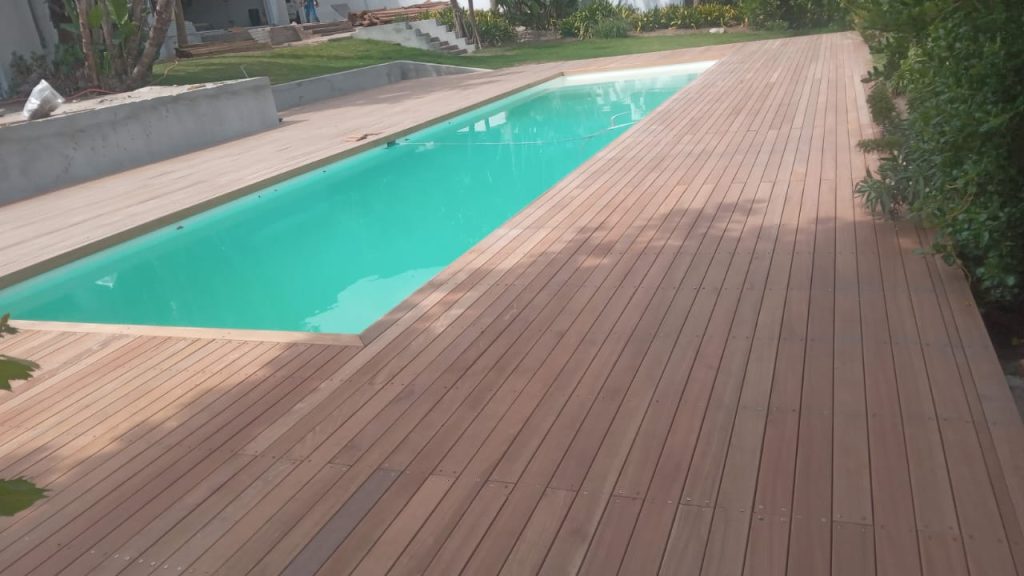
Coastal apartments: balconies, shared services and neighbour impact in Strand
Apartment work in Strand often requires tighter control than standalone home projects. Balconies are a common focus because they combine exposure, drainage, thresholds and occupied spaces below or beside them. A repair may need access from more than one unit, and a successful scope often includes protection of common passages, waste removal rules and clear responsibility for reinstatement of finishes.
Shared plumbing, drainage stacks, electrical routes and external façades can also affect decision-making. Before work starts, it is important to separate private-unit scope from common-property elements where that distinction applies. We help owners clarify what can be inspected, what may require management or body-corporate coordination, and what assumptions should be avoided until access is confirmed.
Freestanding homes on flatter sites: practical advantages and hidden issues in Strand
Strand homes on flatter ground may offer simpler scaffold, material delivery and rubble removal logistics, which can help programme certainty. Even so, flatter sites can still suffer from poor surface water management if paving falls are wrong, downpipes discharge badly, or thresholds sit too close to external finished levels. These are not automatic defects in the area; they are site-specific conditions that need measurement and observation.
For home owners, this means the best value often comes from dealing with interfaces together rather than in isolation. A leak repair, for instance, may need roof edge work, rainwater goods correction, plaster replacement and repainting with a finish suited to the exposure level and maintenance plan.
Drainage and weather interfaces that deserve attention in Strand
Many costly repeat failures happen where building elements meet: balcony to doorway, parapet to roof covering, wall to window, shower floor to outlet, or paving to threshold. In a coastal town, wind-driven rain can make these interfaces more demanding. Good inspection checks the route water takes, not only the place where damage appears inside.
We scope drainage and weather interfaces with enough detail to make the quotation useful. That may include falls, outlet condition, membrane terminations, sealant replacement where appropriate, crack treatment strategy, substrate preparation and the sequence for testing before finishes are closed up again. For owners dealing with recurring water entry, our guide on why roof leaks keep coming back explains why isolated patching often fails.
Occupied-building logistics and protection of daily life in Strand
In Strand, many projects happen in homes and apartments that remain occupied. That changes how work should be planned. Access windows, dust control, noise timing, bathroom or kitchen downtime, safe walkways and protection of lifts, passages and parked vehicles may all need to be addressed before work begins.
We prefer to define these practical items in writing rather than leave them to informal understanding. It helps owners know when spaces will be unavailable, what protection will be installed, where materials will be stored, and how waste will leave the property. In apartment blocks, this can also help residents and management understand the daily impact of the works.
Maintainable finishes matter more near the coast in Strand
Finishes should suit both the exposure and the owner’s maintenance expectations. Near the coast, attractive choices are not always the most durable if they rely on delicate coatings, untreated metal components or hard-to-maintain junctions. The right answer depends on the exact location and exposure of the building, not the suburb name alone.
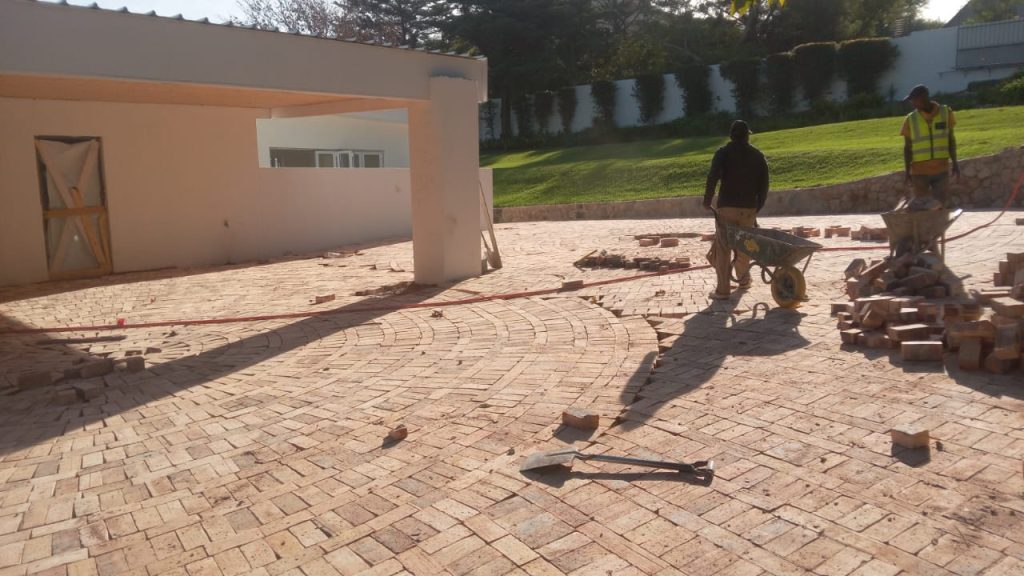
We discuss finish selection in practical terms: cleaning frequency, expected wear, access for future maintenance, compatibility with existing materials and whether a repair can be repeated locally without forcing wholesale replacement later. On balconies, wet areas and exterior surfaces, maintainability is often just as important as appearance.
Approvals only where the work actually requires them in Strand
Some Strand projects can proceed as maintenance or internal refurbishment, while others may require formal approvals, management consent or plan-related submissions depending on the scope. We do not assume every project needs the same process, and we do not treat local context as proof that an approval route applies. The correct path depends on the actual work proposed.
Where approvals may be relevant, we flag that early so the quotation and programme are not built on unrealistic start dates. If you are unsure how approval questions may affect your renovation, see our guide to building plans approval for renovation projects, then contact us to discuss your scope.
What a complete quotation should cover in Strand
A useful quotation should do more than list a room or trade name. It should describe the work area, preparation, removal, repair method, reinstatement, testing where applicable, exclusions, access assumptions and how unforeseen conditions will be handled. This is especially important in occupied apartments and coastal repairs, where hidden defects and shared-building interfaces can change both sequence and responsibility.
We aim to make scope readable enough for property owners to compare options properly. If there are variables that cannot be confirmed without opening up, those should be identified as such rather than buried. Clarity at quotation stage helps reduce disputes later and makes written variation control more straightforward.
Testing, written variations and handover discipline in Strand
Testing should happen at the point where it can still influence the outcome. On waterproofing-related work, for example, isolated testing before final finishes may be appropriate where conditions allow. On plumbing changes, pressure or function checks may be needed before closing up. The right test depends on the work, but the principle stays the same: verify before concealment where practical.
If hidden conditions are discovered, changes should be described and approved in writing before extra work proceeds. That protects both owner and contractor from confusion about scope, cost and revised completion steps. At handover, we prefer a structured close-out that covers what was done, what was tested, what materials or finishes may need curing or ongoing maintenance, and what remains excluded. Owners may also find our renovation handover checklist helpful before final sign-off.
Choosing the right contractor for a Strand property
The best fit is usually a contractor who asks disciplined questions about access, occupation, interfaces and evidence of the defect, rather than jumping straight to a cosmetic solution. Coastal apartments and freestanding homes in Strand reward careful scoping because many visible problems have causes that sit beyond the damaged surface.
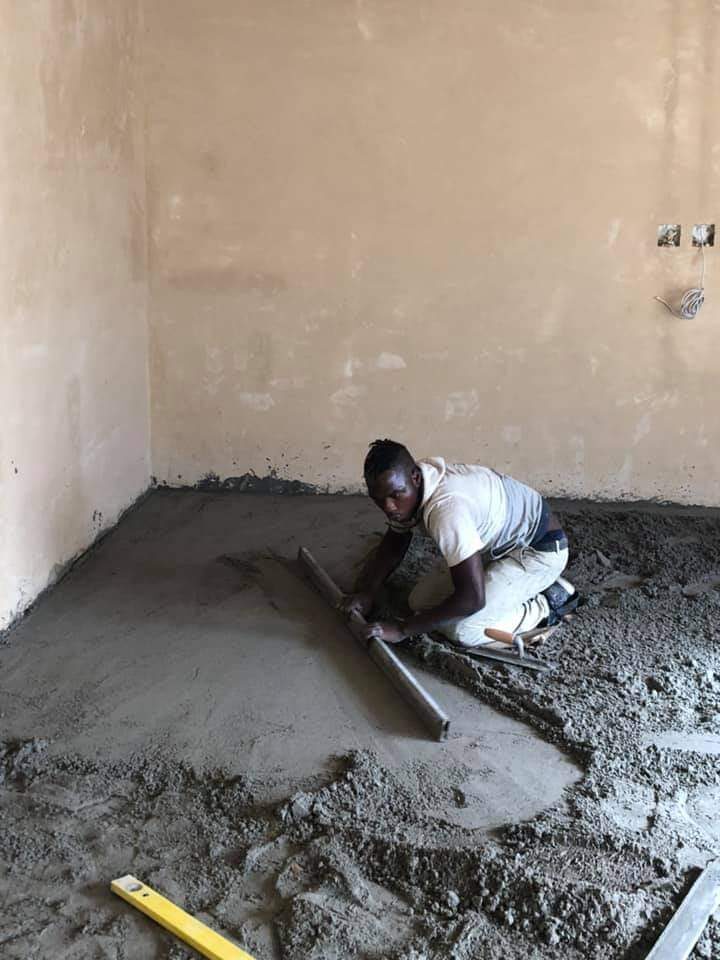
If you want a contractor who can inspect, explain practical options and set out scope clearly, we can help. Start with our quote page if you already have a project brief, or contact us if you need to talk through the property conditions before deciding how to proceed.
Building Contractor Services in Strand: Frequently Asked Questions
Do all Strand properties need special coastal materials?
No. Coastal context can increase exposure risk, but it does not prove the same condition on every property. Material choice should be based on the exact location, orientation, existing construction and maintenance plan.
Can you work in an apartment while the unit is occupied for properties in Strand?
Often yes, depending on the scope. The key issues are access, noise, dust control, service interruptions and building rules. These should be planned in advance and confirmed in writing.
Who handles body-corporate coordination for apartment renovations for properties in Strand?
It depends on the building and the scope. Owners typically remain responsible for their approvals and permissions, while the contractor can provide scope details, access needs and programme information to support the process.
Are balcony leaks usually caused by the tiles for properties in Strand?
Not always. Tiles are often blamed first, but leaks can come from falls, outlets, movement cracks, thresholds, membrane failures or adjacent wall junctions. Inspection is needed before deciding on the repair method.
Does flatter terrain mean drainage will not be a problem for properties in Strand?
No. Flatter sites can still have poor water management if paving falls, outlets or threshold levels are wrong. Drainage performance must be checked on the individual property.
Will a quotation include testing and reinstatement for properties in Strand?
It should if those items are part of the recommended scope. Where testing is appropriate, it is best identified before work starts, together with reinstatement requirements and any exclusions.
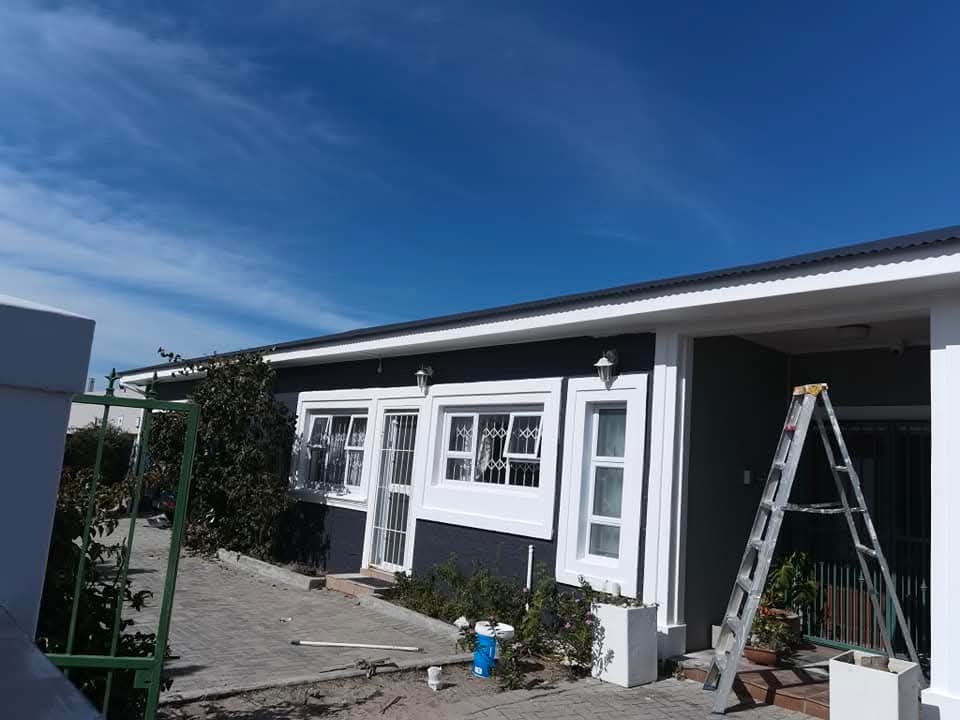
What happens if hidden damage is found after work begins for properties in Strand?
The additional condition should be explained, documented and priced as a written variation before extra work proceeds, unless urgent safety or damage-limitation steps are required.
Do all renovations require plans or formal approval for properties in Strand?
No. Some do, some do not. The requirement depends on the actual work proposed and, in apartments, sometimes on building management rules as well.
Can external repairs be planned around weather risk for properties in Strand?
Yes, to a degree. Programme timing, temporary protection and sequencing can reduce exposure during works, but weather remains a live site factor that should be allowed for realistically.
What should I check at handover before final payment for properties in Strand?
Confirm the agreed scope is complete, testable items have been checked where applicable, visible defects are listed, variation items are reconciled, and any maintenance or curing instructions are handed over in writing.
Other areas we cover near Strand
Around The House works right across the Helderberg. If your property is just outside Strand, we also take on building and renovation work in Gordon’s Bay and Somerset West. You can see the full list on our areas we serve page.