What Is a Renovation Contingency?
A contingency is money reserved for work that cannot be confirmed before construction starts. It is not an excuse for a vague quote. The base scope should still be detailed, while the contingency protects the owner from realistic unknowns.
During work in established areas such as Grassy Park, opening a wall or floor may reveal leaking pipes, damaged plaster, poor previous repairs or an unsuitable substrate.
What Can Trigger Extra Cost?
- Concealed water or termite damage
- Old plumbing or wiring requiring correction
- Uneven floors and walls
- Owner changes after work begins
- Unavailable materials and approved alternatives
- Additional approval or professional requirements
How Much Should You Allow?
The right amount depends on uncertainty. A newer, well-documented property with a simple cosmetic scope needs less protection than an older home undergoing demolition. Instead of following one percentage blindly, discuss the most likely risks and their possible impact.
Control the Contingency
Extra work should be photographed, explained and priced before proceeding where practical. Track every approved change against the reserve. Do not spend the contingency on nicer finishes at the start and then have nothing left for essential repairs.
Reduce Surprises Before Starting
Detailed measurement, moisture checks, early selections and professional input can reduce uncertainty. They cannot reveal everything, but they improve the quality of the initial scope. Compare this with our full Cape Town renovation cost guide.
Frequently Asked Questions
Is every extra a contractor’s fault?
No. Some conditions are concealed, while others result from owner changes. The reason should be documented.
Can unused contingency be kept?
Yes. It is the owner’s reserve, not an automatic addition to the contract price.
Should variations be verbal?
Written approval is safer for scope, cost and programme.
Request a clear renovation quote from Around The House.
Build a Realistic Renovation Budget
Separate the construction quote from professional fees, approvals, owner-supplied products, temporary accommodation and moving costs. Check whether VAT, delivery, rubble and final cleaning are included. This prevents the contingency from being consumed by predictable omissions.
Risk Changes the Percentage
A newer home with an investigated scope may need a smaller reserve than an old property with damp, structural changes or concealed services. Opening-up inspections can reduce uncertainty, but some risk remains until demolition.
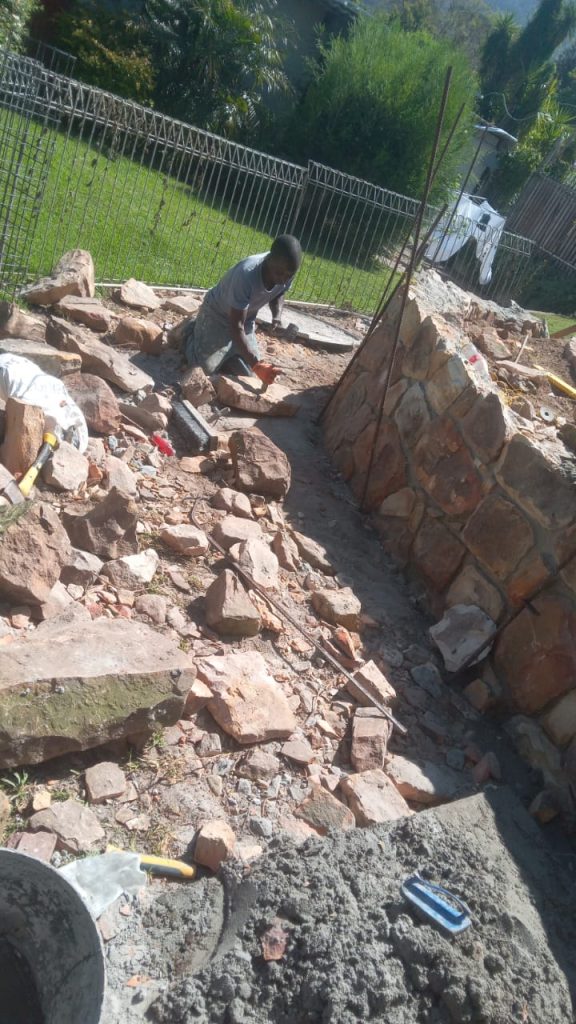
How to Manage Variations
Ask for the reason, photographs where useful, price and time impact before approval. Keep a simple running total showing original contract, approved variations, contingency used and balance.
Budget Questions
Is 10% contingency enough?
It may suit a well-defined low-risk job; older or complex work can justify more.
What is a provisional sum?
It is an allowance for work or products not fully defined, later adjusted to actual approved cost.
Should contingency cover upgrades?
Ideally no. Keep optional upgrades separate so emergency funds remain available.
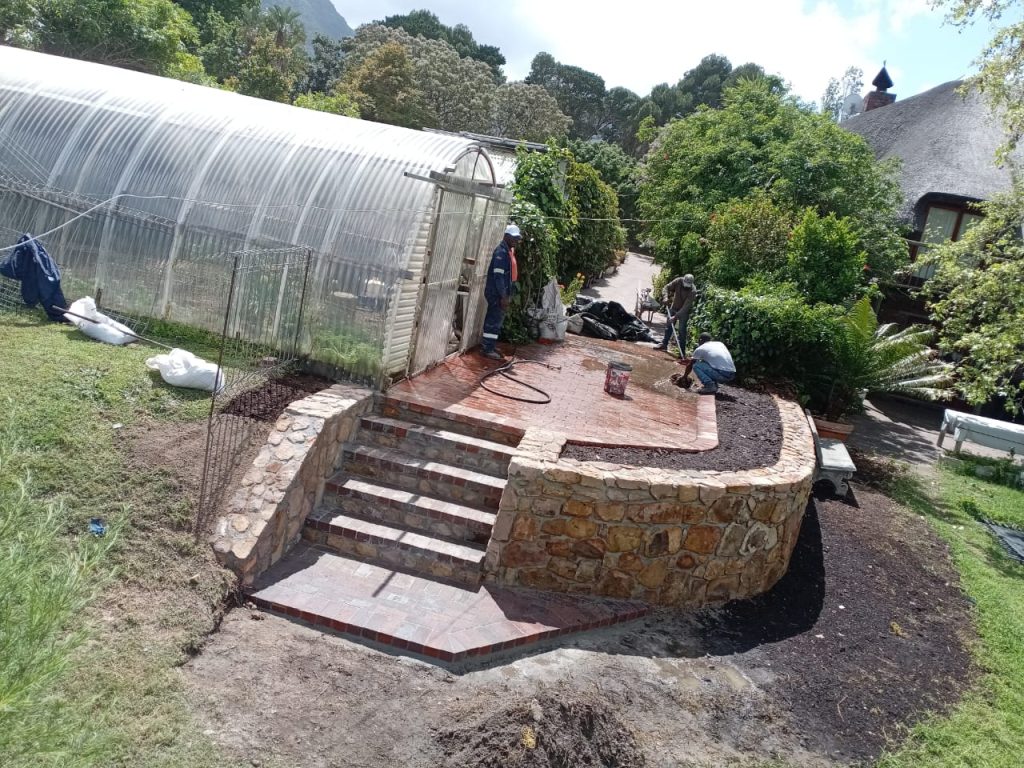
How can I reduce renovation surprises?
Use surveys, measured drawings, product selections and a detailed written scope before work starts.