Why Renovation Timelines Vary
A home renovation timeline depends on scope, approvals, material lead times, access and hidden repairs. Painting one room is different from moving plumbing, rebuilding a bathroom or altering walls. A realistic programme begins only after the design and major selections are settled.
Conditions also vary by property. An established home in Bergvliet may reveal old plumbing or damp after finishes are removed, while an apartment may have restricted work hours and lift access.
A Typical Sequence
- Define scope and budget
- Confirm plans or approvals
- Select long-lead materials
- Protect the property and demolish
- Complete concealed plumbing, electrical and repairs
- Plaster, waterproof and allow curing
- Install finishes and fittings
- Paint, snag and hand over
Skipping the sequence can create rework. Final paint should not happen before dusty cutting or active moisture repair.
What Commonly Delays a Project?
Late decisions, unavailable tiles or fittings, owner-requested changes, hidden defects, approval delays and unsuitable weather can all shift dates. Drying and curing periods are part of construction, not wasted time.
How to Keep Work Moving
- Freeze the agreed scope before starting
- Order selected items early
- Give quick written decisions on variations
- Clear work areas and confirm access
- Keep contingency in both budget and time
See what a full project involves on our home renovations page.
Frequently Asked Questions
Can a contractor guarantee an exact finish date?
A target is useful, but unknown defects and owner changes can affect it.
Can I stay in the house?
Often for phased work, although dust, noise and service interruptions may be disruptive.
Should I rush waterproofing?
No. Preparation, application and curing requirements need to be followed.
Discuss your programme with our renovation team and request a site-specific quote.
Typical Timeframes by Renovation Type
A cosmetic refresh may take days or weeks. A bathroom often needs several weeks because demolition, plumbing, waterproofing, curing and tiling happen in sequence. Kitchens can take longer when cabinetry and stone tops are made to order. Whole-home renovations and additions commonly run for months.
These are planning ranges, not guarantees. Access, hidden damage, occupied rooms, lead times and the number of trades all affect duration.
Approval, Products and Cape Town Weather
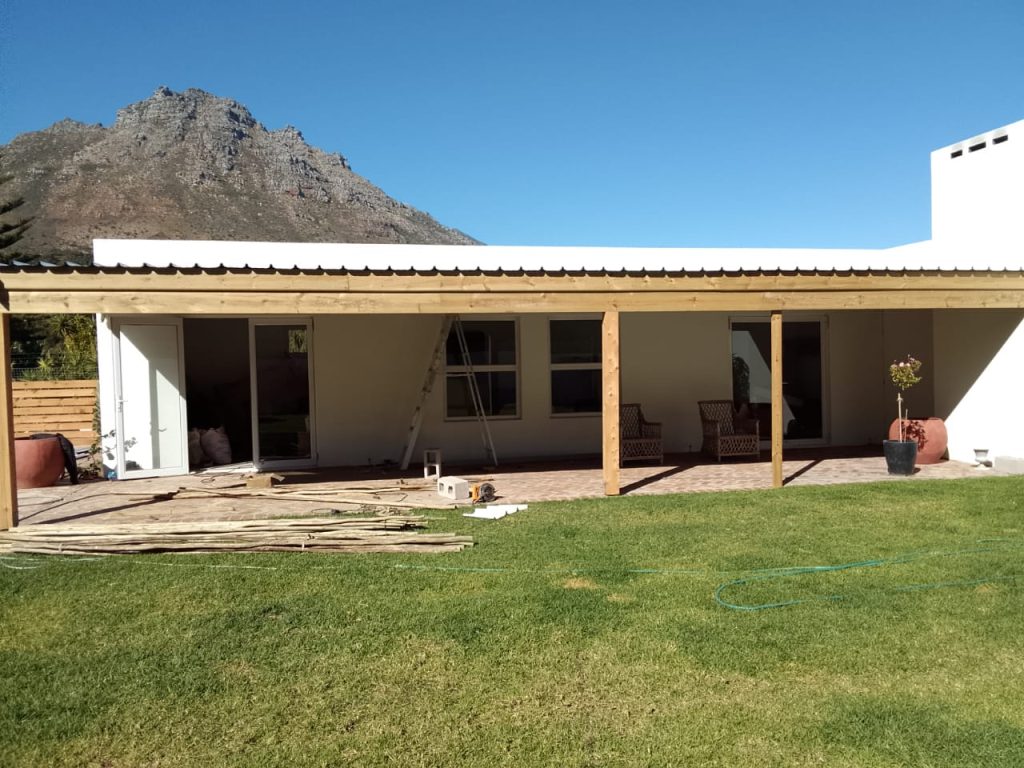
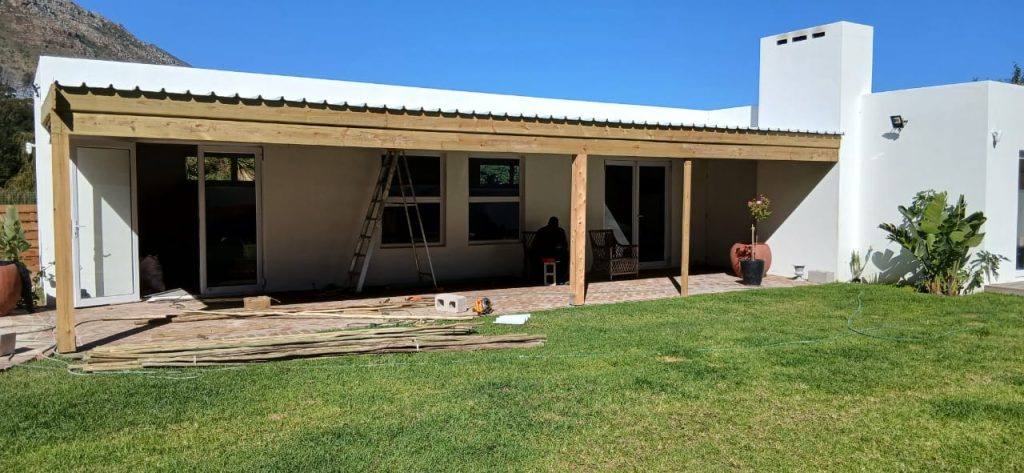
Structural changes or additions may require drawings, engineering and City of Cape Town approval. Order long-lead windows, cabinetry, sanitaryware and finishes early. Winter rain can interrupt roofing, exterior painting, paving and waterproofing, while screeds, plaster, membranes and paint need proper curing.
More Timeline Questions
How long does a bathroom renovation take?
Many complete bathrooms take roughly three to six weeks, but layout changes and hidden leaks can extend this.
How long does a kitchen renovation take?
Several weeks is common once cabinetry is ready; structural and service changes add time.
When should finishes be ordered?
Before demolition where possible, especially items that determine plumbing, electrical or cabinet dimensions.
What is a renovation programme?
It shows sequence, dependencies, approximate durations and owner decision dates.
Can variations delay completion?
Yes. Added work may require products, approvals or trades, so cost and time should be updated in writing.