Good Site Preparation Saves Time
Before builders arrive, clear the work area and confirm access, parking, storage and working hours. Small decisions made early protect belongings and prevent the team waiting while furniture, pets or vehicles are moved.
Compact properties and narrow streets, like those around Harfield Village, make delivery and rubble planning especially important.
Remove and Protect Belongings
Take down pictures, curtains and fragile fittings near the work. Dust travels beyond demolition areas, so close doors, cover retained furniture and discuss temporary barriers. Contractors should protect floors and finishes included in the agreed plan, but owners should secure valuables and personal items.
Plan for Children and Pets
Work areas contain tools, openings, rubble and wet materials. Arrange a safe separation and tell the team about gates that must remain closed. Do not rely on workers to supervise pets.
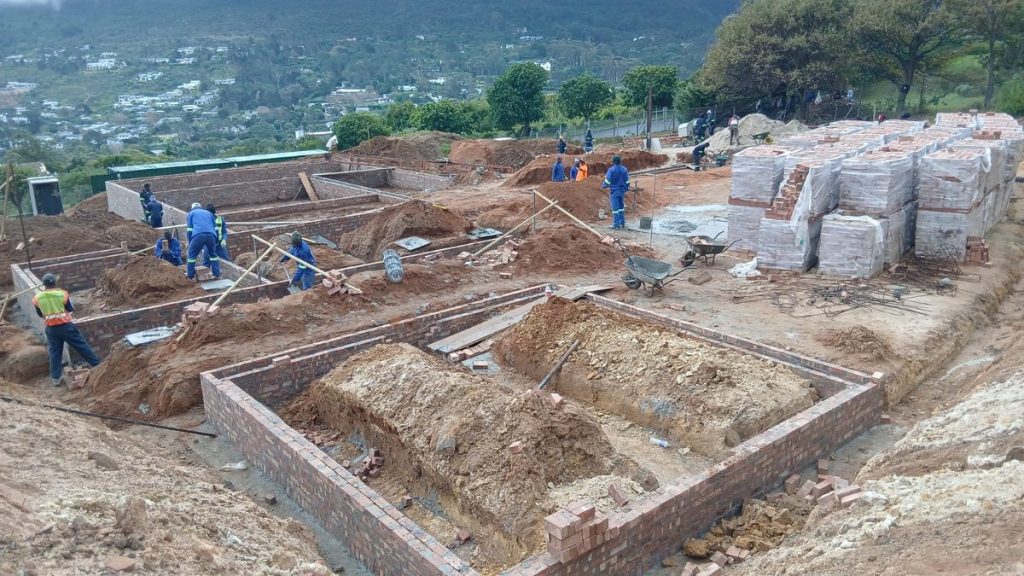
Confirm Services and Daily Access
Identify the electrical board, water shut-off and alarm procedure. Agree who opens the property, where keys are kept and whether the home will be occupied. If plumbing or electrical interruptions are expected, plan around them.
Make Decisions Before the Start
Late choices can stop work. Confirm tiles, paint, fittings, handles and layouts according to the programme. Store owner-supplied items safely and check them for damage or missing parts.
Create a Communication Routine
Choose one owner representative and one contractor contact. Record scope changes and review progress at agreed points instead of issuing conflicting instructions to different workers.
Frequently Asked Questions
Should I move out?
It depends on dust, noise, services and the number of rooms affected.
Who protects the floors?
The quotation should define contractor protection, while owners remove loose and valuable items.
Where should materials go?
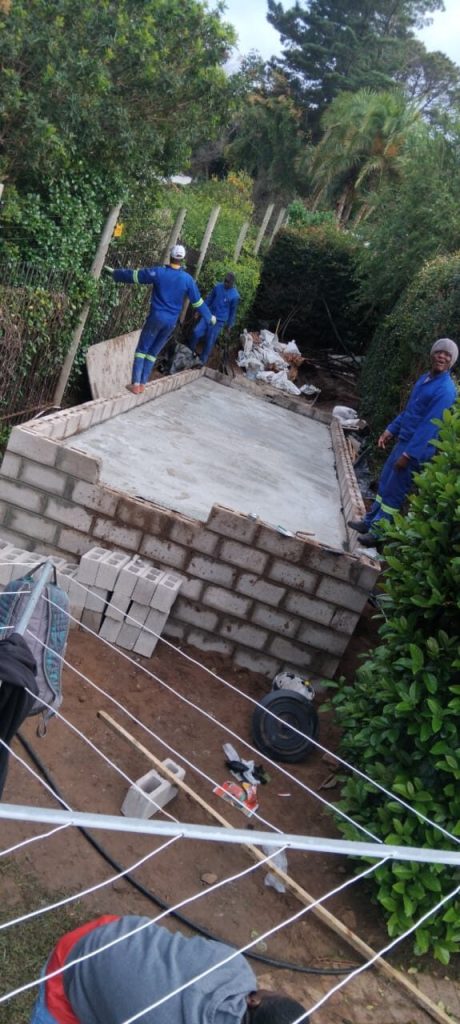
Agree a dry, secure area that does not block work or damage landscaping.
Ready to start? Review our services and request a quote.
Agree the Site Rules
Confirm working hours, keys, alarms, parking, bathroom use, smoking rules and who may enter. Tell neighbours about noisy phases and make sure emergency contacts are available.
Protect Dust-Sensitive Areas
Construction dust travels through doors, vents and foot traffic. Remove electronics, art and soft furnishings where possible. Agree dust barriers, floor protection and daily cleaning, while remembering that protection must not create trip hazards.
Plan for Water, Power and Security
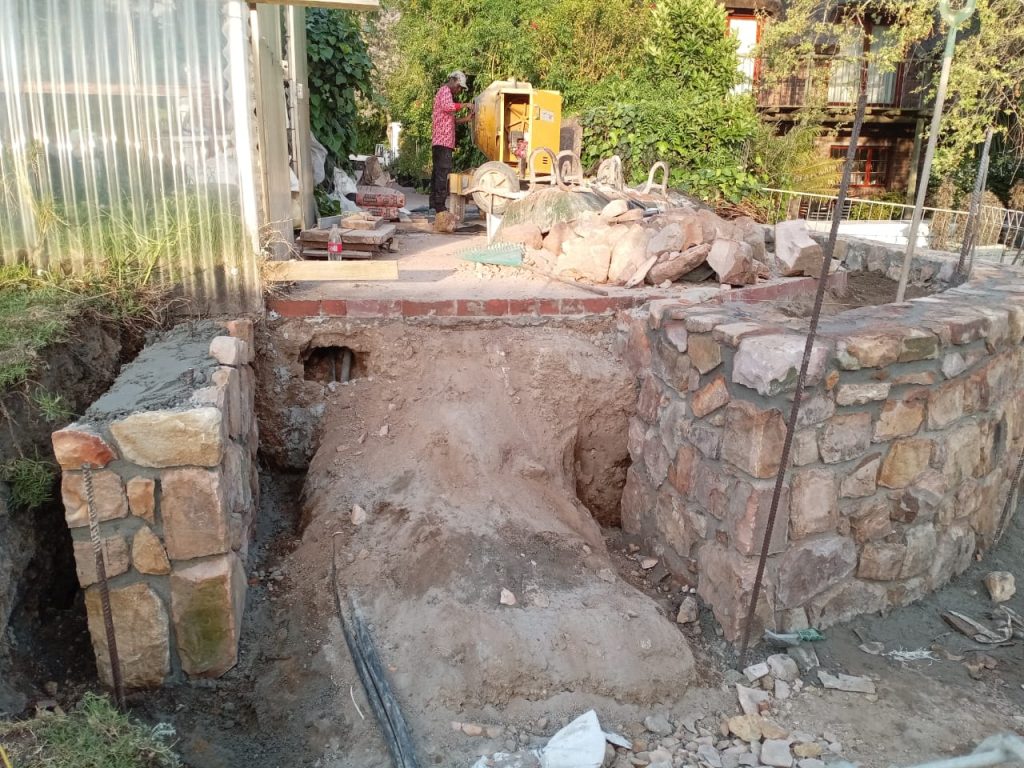
Ask when services will be isolated and prepare for outages. Keep pets away from open gates, tools and debris. Decide where deliveries and rubble will go without blocking drainage or damaging landscaping.
Preparation Questions
Should furniture be stored off-site?
For major or dusty work, off-site storage may be safer than moving items repeatedly.
Who removes rubble?
The quotation should state who loads, transports and legally disposes of waste.
Should I give builders a key?
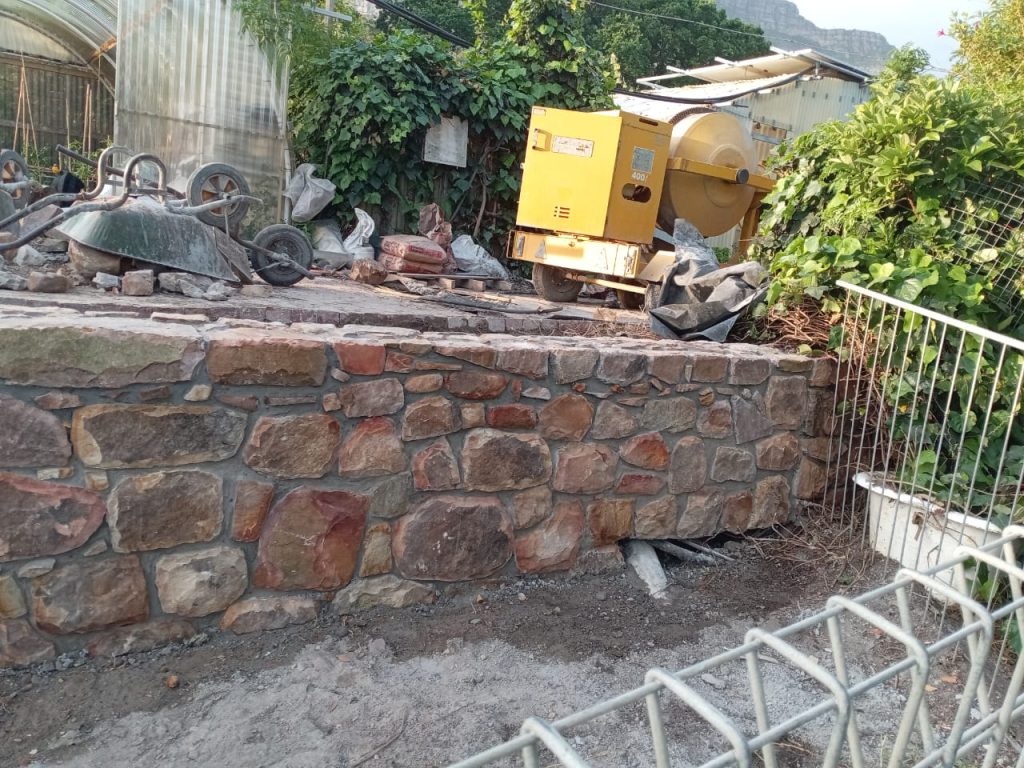
Agree controlled access, named key holders and alarm procedures in writing.
What decisions must be made early?
Layouts, tiles, paint, fittings, appliances and owner-supplied products that affect dimensions or sequencing.