The right type of waterproofing depends on the roof. For flat concrete roofs and balconies, a 4 mm torch-on bitumen membrane is the most common choice in South Africa, with liquid acrylic systems a good alternative on smaller or more complicated areas. For IBR and corrugated sheet roofs, the usual answer is a liquid acrylic or rubberised bitumen system on the laps, screws and flashings. Tiled roofs rely on the tiles and the undertile membrane, so the waterproofing work goes into ridges, valleys and flashings. Cementitious waterproofing belongs on basements, retaining walls and under tiles, not on exposed roofs. This guide goes through each type and where it works.
The Main Types of Waterproofing
Torch-On Waterproofing Membrane
Torch-on is a roll of modified bitumen, usually 3 mm or 4 mm thick, reinforced with polyester. The surface is cleaned and primed with a bitumen primer, then the membrane is rolled out and melted onto it with a gas torch, with overlaps fused together. The HouseCheck technical manual for South African home inspectors describes 4 mm torch-on as the most suitable and most commonly specified waterproofing for concrete roofs here.
Strengths: tough, thick, good on large flat areas, good resistance to foot traffic once protected. Weaknesses: bitumen breaks down in sunlight, so exposed torch-on needs a UV-reflective coating (usually silver aluminium paint) that has to be renewed. It also needs open flame, so it is not suited to timber decks or roofs where fire is a risk.
Liquid Acrylic Waterproofing
A water-based acrylic coating, applied in coats with a polyester or fibre membrane embedded in the first coat for strength. Most systems call for a primer and two or three coats. It follows awkward shapes well, so it is good around outlets, pipes, parapets, flashings and small roofs with lots of corners. It can also be tinted to match the roof.
Strengths: no flame, easy to repair, works on many surfaces. Weaknesses: it is thinner than torch-on and needs regular maintenance. The same HouseCheck manual says acrylic waterproofing should be recoated every two years or so because of South Africa’s strong UV. It also does not like standing water, so it relies on the roof draining properly.
Bitumen Waterproofing Coatings
Rubberised bitumen emulsions are brushed or rolled on, often with a membrane strip embedded, then usually covered with aluminium paint to protect them from the sun. They are cheaper than acrylic and very good at sticking to metal and concrete. We use them on IBR overlaps, box gutters and areas that will be covered, such as under screed or behind soil. Plain black bitumen left in the sun cracks and goes brittle.
Cementitious Waterproofing
A cement-based slurry or mortar modified with polymers, brushed on in two coats. Some products are rigid and some are flexible enough to bridge fine cracks. It bonds very well to concrete and masonry, can take water pressure and can be tiled over. That makes it the right choice for retaining walls, basements, water tanks, planter boxes, shower floors and balconies under tiles. It is not a good choice for an exposed roof that expands and contracts in the sun.
Sheet Membrane Waterproofing
Factory-made sheets of PVC, TPO, EPDM rubber or similar, laid loose, glued or mechanically fixed, with welded or taped joints. They are mostly used on large commercial roofs. On homes, the sheet membrane you are more likely to meet is the undertile membrane beneath a tiled roof, which is a second line of defence rather than the main waterproofing.
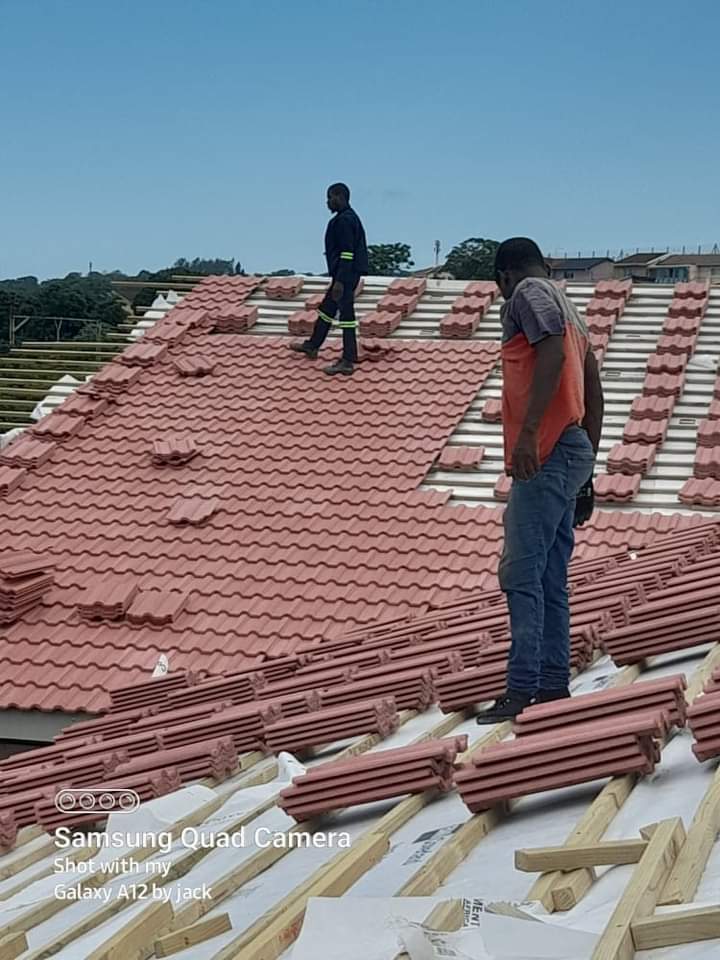
Waterproofing Types for Flat Concrete Roofs
Flat concrete roofs are where the most waterproofing goes on. Torch-on is the usual choice, with acrylic as an alternative on smaller roofs. But the type of waterproofing matters less than two other things:
- Fall: SANS 10400 Part L calls for a finished fall of 1:80 to the outlets. Water that ponds will find any weakness, and it shortens the life of every product.
- Outlets: Part L requires outlets to be flanged so the waterproofing can be dressed onto a flat surface, not into a round hole. A badly finished outlet is one of the most common leaks on flat roofs.
If the screed has no fall, fix that first. Our guide to waterproofing costs in Cape Town covers what this kind of work usually costs.
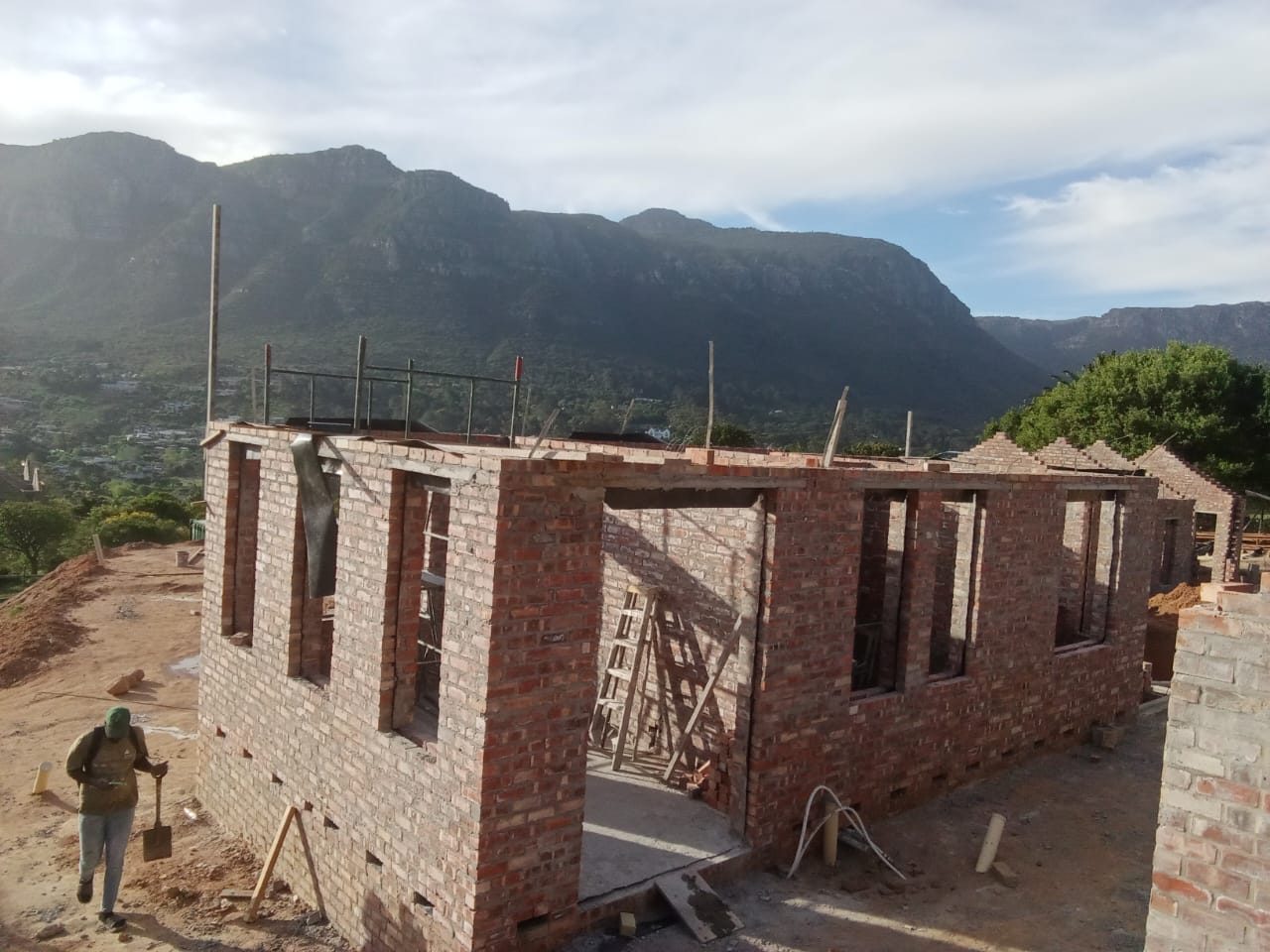
Waterproofing Types for Parapet Roofs
A parapet roof has a low wall around the edge, so the roof sits in a shallow tray. Water has to go out through outlets or spouts in the parapet, and if those block, the tray fills up. Leaks on parapet roofs usually come from the parapet itself rather than the middle of the roof: cracked cappings on top of the wall, plaster cracks on the inside face, and the corner where the roof meets the wall.
The fix is usually a combination. Torch-on or acrylic on the roof surface, turned up the inside of the parapet by at least 150 mm and properly finished at the top edge. The top of the parapet sealed with acrylic and membrane or a proper capping. Outlets cleared and re-detailed. Many Cape Town homes built with flat roofs and parapets have had layer upon layer of waterproofing added over the years, and sometimes the right answer is to strip it back and start again.
Waterproofing Types for IBR and Corrugated Roofs
Metal sheet roofs do not need a full waterproofing layer when they are sound, because the sheet itself is waterproof. They leak at the joins and fixings:
- End laps and side laps where sheets overlap.
- Screw holes where the washers have perished.
- Flashings against walls, chimneys and parapets.
- Rust holes, especially near the coast and under trees.
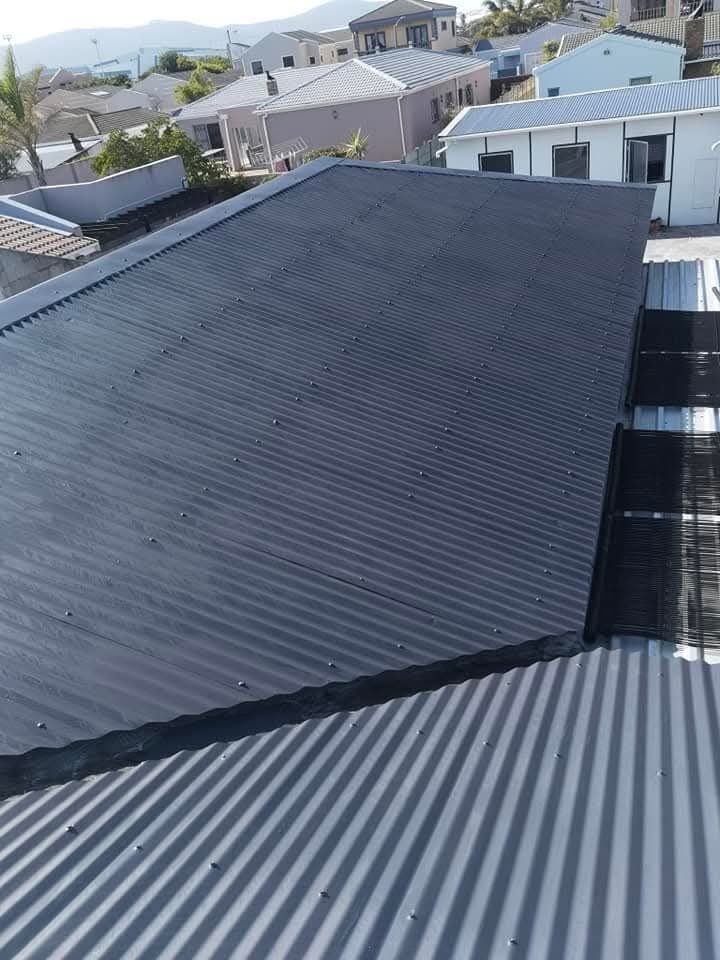
For these, a liquid acrylic or rubberised bitumen system with a membrane strip over each lap and flashing, and new screws or sealed washers, works well. Where the whole roof is weathered, a full-coat acrylic system can extend its life. Where sheets have rusted through, waterproofing is only a temporary patch, and the sheets need to be replaced. Near the sea, Part L recommends heavier coated steel sheeting within 5 km of the coast.
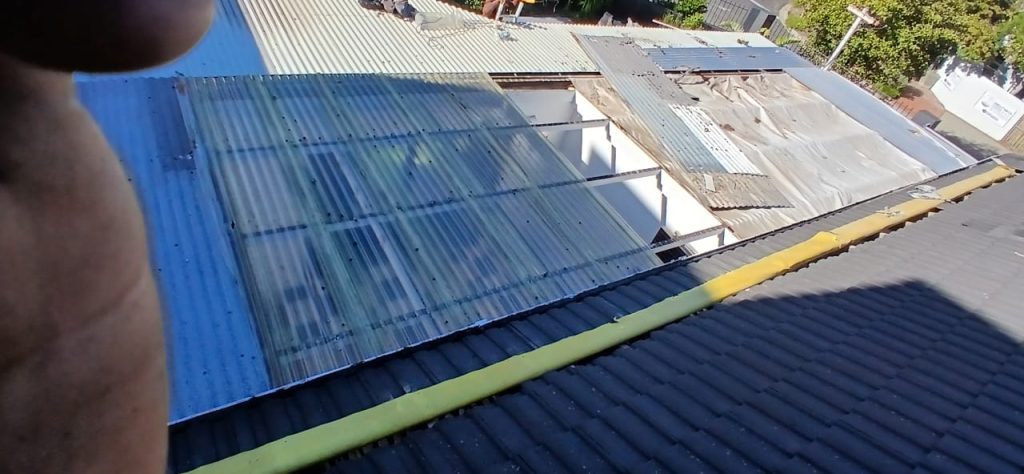
Waterproofing Types for Tiled Roofs
A tiled roof is not waterproofed in the same way. Tiles shed water, and the undertile membrane underneath catches what gets through. Painting a tiled roof with a waterproofing coating mostly improves its look; it does not fix the common leak points, which are:
- Cracked or slipped tiles.
- Ridge and hip cappings with cracked or missing mortar.
- Valleys, where two slopes meet and water runs fastest.
- Flashings against walls and chimneys.
Waterproofing on a tiled roof means repointing ridges, sealing flashings with acrylic and membrane, and replacing broken tiles. On older roofs without underlay, or with porous tiles and low pitch, a re-roof with new underlay is often the lasting fix. Our article on choosing a roofing material compares coverings, and our article on why roof leaks keep coming back covers repeat leaks.
Waterproofing Types for Balconies and Roofs Over Rooms
A tiled balcony over a bedroom is one of the hardest areas to keep dry, because the waterproofing is hidden under tiles and screed. Here the membrane goes on before the tiles: torch-on under a screed, or a liquid or cementitious membrane designed to be tiled over. If a tiled balcony leaks, the tiles usually have to come up to fix it properly.
Choosing the Right Type of Waterproofing
| Roof or area | Usual first choice | Also used |
|---|---|---|
| Flat concrete roof | 4 mm torch-on | Liquid acrylic with membrane |
| Parapet walls and cappings | Liquid acrylic with membrane | Torch-on turned up the wall |
| IBR or corrugated laps and screws | Liquid acrylic or rubberised bitumen with membrane strips | Full-coat acrylic |
| Tiled roof ridges, valleys, flashings | Repointing and acrylic with membrane | Re-roof with underlay |
| Balcony under tiles | Torch-on or tileable liquid membrane | Cementitious |
| Retaining walls and basements | Cementitious or bitumen | Sheet membrane |
Our team handles flat roofs, parapets, torch-on and liquid systems. See our waterproofing services or ask for a site visit through our quote page.
Types of Waterproofing: Frequently Asked Questions
Which type of waterproofing is best for a flat roof?
For flat concrete roofs, 4 mm torch-on is the most common choice in South Africa. Liquid acrylic suits smaller roofs and complicated details. Either needs a proper fall to the outlets.
Is torch-on better than liquid waterproofing?
Torch-on is thicker and tougher on large flat areas. Liquid is easier around corners, pipes and parapets and needs no flame. Both need UV protection or recoating.
Can you waterproof an IBR roof?
Yes. Laps, screws and flashings are sealed with acrylic or bitumen and membrane strips. Badly rusted sheets should be replaced.
Should I waterproof my tiled roof?
Coating the whole tiled roof is mostly cosmetic. Waterproofing work on a tiled roof should target ridges, valleys, flashings and broken tiles.
Where is cementitious waterproofing used?
On retaining walls, basements, water tanks, shower floors and balconies under tiles, where it is protected from sun and movement.