
Building Contractors Clifton: Renovations, Repairs and Property Maintenance
Building in Clifton often means making careful decisions before any tools arrive on site. The area is known for steep plots, compact access, apartments and sectional-title buildings, and strong coastal exposure. Those factors can affect how materials are moved, where waste is stored, how waterproofing is detailed, and whether work can proceed while parts of the property remain occupied. Around The House Building Services approaches Clifton projects with site-specific inspection, practical planning and a quotation process that defines what is included, what depends on further opening-up, and what may need permissions from a body corporate or neighbouring owners.
Whether you are planning internal alterations, repairs, upgrades or broader residential renovations, the aim is to reduce surprises by checking access, drainage paths, weather interfaces, existing construction and occupation constraints early. You can also review our wider services or request a project discussion through our quote page.
Why Clifton projects need a different approach
Clifton properties are frequently shaped by terrain and proximity to the sea. That local context often creates practical building challenges, but it does not prove that every property has the same structural, moisture or access condition. Each home, apartment or shared building needs its own inspection.
Steep levels may limit delivery points and safe staging areas. Stair-only routes can change labour time, material sizes and debris removal methods. Salt-laden air can shorten the life of unsuitable fixings, coatings and exposed metalwork. In sectional-title settings, work may also depend on rules for noise, lift use, common-area protection, working hours and approvals for changes affecting shared elements.
Start with an evidence-based site inspection in Clifton
A useful first step is a site visit focused on decisions, not assumptions. That means checking existing finishes, junctions, cracks, water marks, roof or balcony interfaces, retaining edges, and the routes workers and materials would actually use. Where the cause of a defect is unclear, it is better to state that clearly than to guess.
In Clifton, inspection should also look at how exposed faces meet windows, doors, parapets, thresholds and drainage outlets. If opening-up is required to confirm substrate condition or previous waterproofing layers, that should be identified in writing. The goal is a scope based on observed facts, with any provisional items clearly separated.
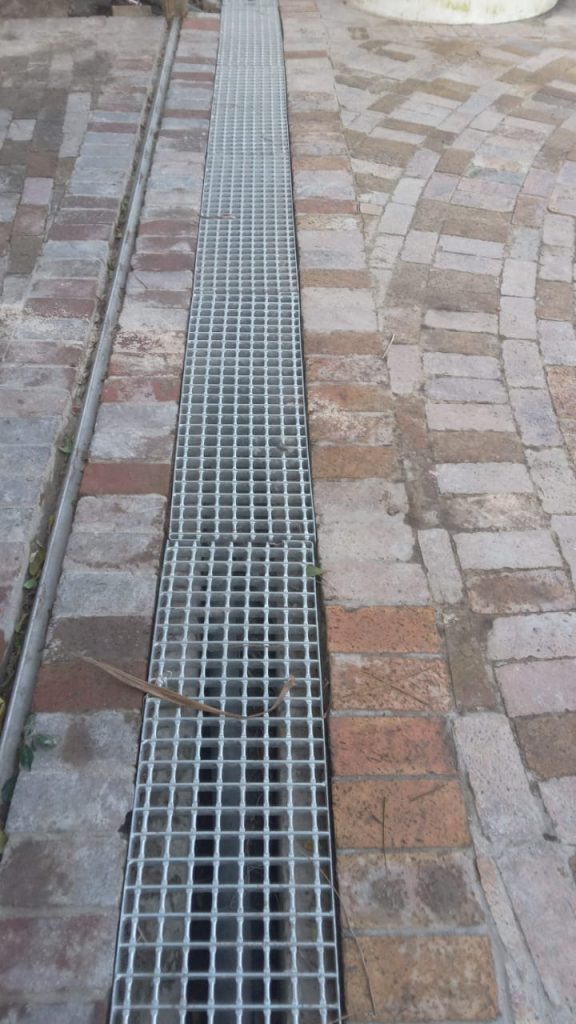
Access planning for steep, narrow and stair-only sites in Clifton
On compact coastal properties, access can control the entire build sequence. Small-load logistics are often more realistic than assuming standard truck access or unrestricted on-site storage. Materials may need to arrive in stages, be cut to manageable sizes, or be carried through controlled internal routes.
That affects programme planning, protection measures and quotation detail. Access planning should cover parking constraints, delivery timing, manual handling limits, neighbour interfaces, waste removal frequency and where tools can be secured. If the property is in an apartment block, access rules for lifts, passages and common entrances should be checked before work starts, not during the first week on site.
Apartments and sectional-title work in Clifton
Apartment renovations in Clifton usually involve more coordination than free-standing houses. Internal work can still affect shared-property interests when it involves plumbing stacks, slab penetrations, external waterproofing junctions, balcony edges, façade elements or service shut-offs.
Where applicable, owners should confirm what permissions are needed from a body corporate, managing agent or other relevant party. Not every project requires formal plan approval or third-party permission, but many apartment alterations benefit from checking this upfront. If you need a practical overview of when approvals may matter, see building plans approval for renovation. Clear communication about working hours, dust control, protection of common areas and site conduct helps avoid preventable delays.
Salt exposure and material choices in Clifton
Coastal air can be hard on exposed building components. In Clifton, this often matters for external fixings, balustrade interfaces, metal flashings, sealants, coatings and hardware. The right product choice depends on the exact location, exposure and application; local context alone does not prove failure risk on any individual item.
A production-ready contractor should identify where marine exposure may influence specification and where hidden corrosion or coating breakdown should be checked during inspection. If a repair is being done beside older materials, the scope should note compatibility limits rather than assume all adjoining components will perform equally.
Waterproofing and drainage interfaces in Clifton
Many expensive defects start at junctions rather than open surfaces. Balconies, parapets, planters, thresholds, roof edges, outlets and wall-to-slab interfaces deserve close attention in coastal settings. A leak visible inside an apartment may originate some distance away, especially in multi-level buildings.
Good practice is to trace likely water paths, inspect terminations and falls where visible, and define whether testing or opening-up is needed before finalising the repair method. Repeated patching rarely helps if the source is not confirmed. For background on recurring roof issues, see why roof leaks keep coming back. If weather exposure is a concern during works, this guide on how to protect a renovation site from Cape Town rain is also useful.
Retaining interfaces and level changes in Clifton
Clifton sites often include walls, terraces, stairs and transitions cut into steep levels. That can create sensitive interfaces between paving, drainage, planters, retaining edges and occupied interiors. Surface water management around these areas should be reviewed during inspection, but no contractor should assume a hidden retaining or moisture condition without evidence.
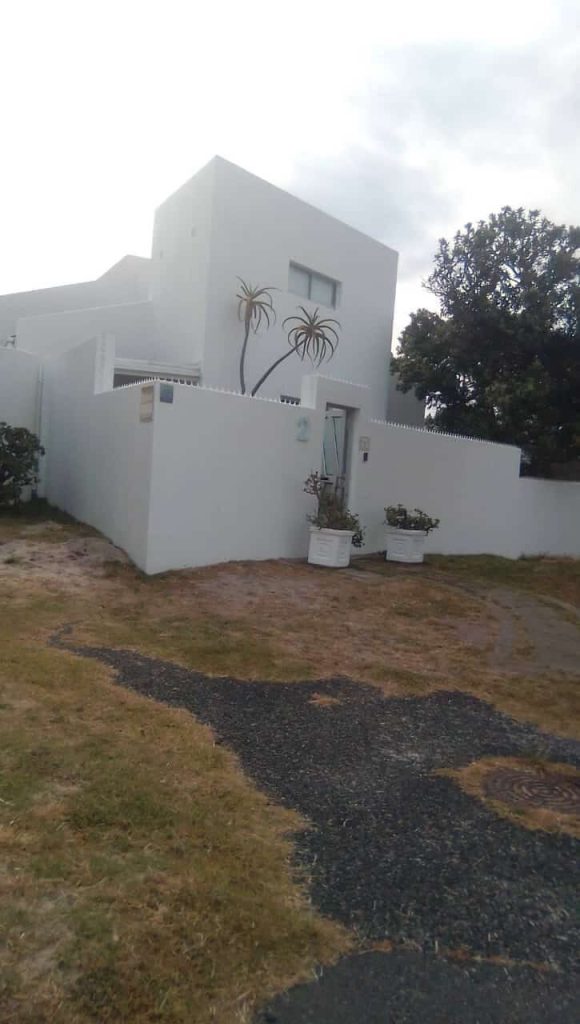
Where work touches a retaining interface, the quotation should define exactly what area is included, what finishes will be removed and reinstated, and whether further findings could change the method. This is especially important where access limits how far investigation can go before the job begins.
Working around occupation and neighbours in Clifton
Many Clifton projects happen in occupied homes or buildings with close neighbours. That changes how demolition, noise, dust, shutdowns and wet-area work are staged. A practical contractor should agree which rooms remain usable, when water or power interruptions may occur, and how debris routes will be controlled.
In apartment settings, occupation planning should also include protection to lobbies, stairs and lifts where permitted, plus daily housekeeping standards and end-of-day security. If there are restrictions on noisy work or common-area use, those should be built into the programme rather than treated as unexpected obstacles later.
What a complete quotation should cover in Clifton
A useful quotation for a Clifton project should do more than list broad tasks. It should identify the inspected work area, access assumptions, protection measures, demolition scope, disposal method, included finishes, exclusions, testing allowances if relevant, and how variations will be handled if concealed conditions are discovered.
Where the contractor has not been able to inspect behind finishes or under waterproofing, that limitation should be stated clearly. This helps owners compare offers fairly and understand why one quote may include more realistic allowance for access, protection or staged logistics. If you are comparing proposals, this guide on how to choose the right renovation quote can help.
Testing, records and written variations in Clifton
Testing matters most where failure is costly or hard to revisit. Depending on the work, that may include flood testing of waterproofed areas where appropriate, checking falls to outlets, confirming operation of replaced fixtures, or documenting hidden work before it is closed up. The right tests depend on the scope; they should not be claimed where they are not practical or relevant.
Just as important is written variation control. On steep and older properties, hidden conditions are possible, but extra work should not simply be assumed. A written variation should explain what was found, why the original scope does not cover it, what remedy is proposed and what effect it has on time or cost before that work proceeds where possible.
Handover and after-work clarity in Clifton
A proper handover helps owners understand what was done and what still needs monitoring. In Clifton, that may include care instructions for sealants or coatings, confirming which repaired areas were tested, noting any adjacent items outside the work scope, and identifying maintenance points for exposed coastal components.
Owners should also receive clarity on outstanding snags, final clean-up, reinstated common areas if applicable, and any product information relevant to the completed work. Before making final payment, many owners find it useful to review a structured renovation handover checklist.
Choosing a contractor for Clifton conditions
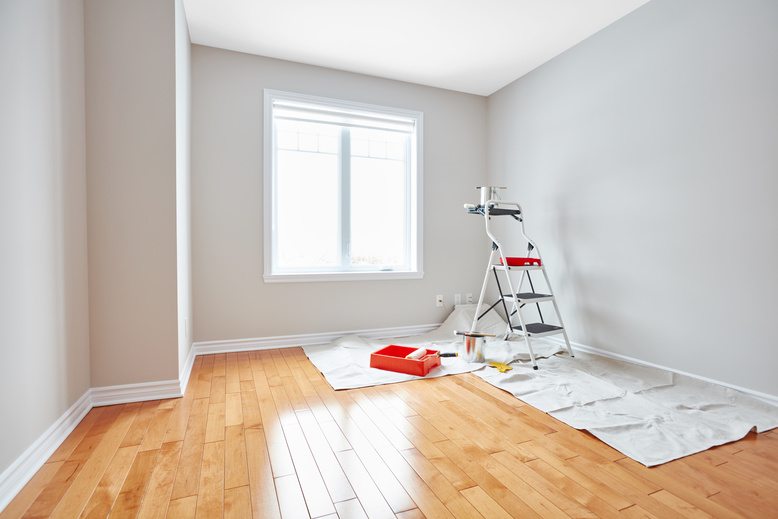
The right contractor for Clifton is not just someone who can build, but someone who can inspect carefully, communicate limits honestly and plan around steep access, shared-property rules and weather-sensitive interfaces. The strongest starting point is usually a site discussion based on your actual property rather than a generic promise.
If you want to talk through a renovation, repair or alteration in Clifton, use our contact page or request a detailed review through the quote form.
Building Contractor Services in Clifton: Frequently Asked Questions
Do all Clifton properties have salt-damage risk?
Coastal exposure can affect materials, but it does not prove that every property or component is already damaged. Risk depends on location, exposure, material type, maintenance and detailing, so inspection is still essential.
Can building work proceed if access is only by stairs for properties in Clifton?
Often yes, but the scope, programme and handling plan need to reflect stair-only access. Material sizes, delivery timing, labour requirements and debris removal may all change.
Do I need body corporate approval for internal apartment renovations for properties in Clifton?
Sometimes. Purely internal decorative work may be simpler, while changes affecting services, slabs, waterproofing, façades or common property can require permissions. The exact requirement depends on the building and the work.
Should waterproofing be quoted as a patch repair or a larger system repair for properties in Clifton?
That depends on the confirmed source of failure. If the defect is localised, a limited repair may be reasonable. If the failure is at terminations, falls or wider membrane breakdown, patching alone may not solve it.
How are deliveries managed on very compact sites for properties in Clifton?
Usually through staged deliveries, smaller load sizes and strict timing. The best method depends on the actual access route, storage options and any building management restrictions.
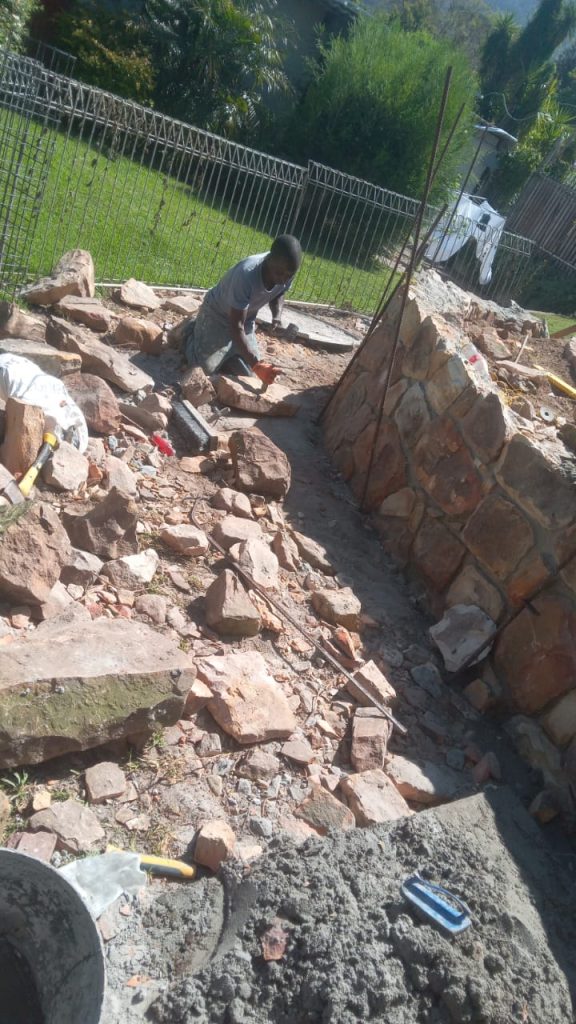
Can renovation work continue while the property is occupied for properties in Clifton?
In many cases yes, but it needs planning. Noise, dust, shutdowns, room access and safety routes should be agreed before work starts, especially in kitchens, bathrooms and apartments.
What should a quotation include for a Clifton apartment project?
At minimum: access assumptions, protection to common areas where relevant, demolition scope, disposal, included finishes, exclusions, likely permissions interfaces, and how hidden-condition variations will be handled.
Are retaining walls always part of a renovation scope on steep sites for properties in Clifton?
No. Steep sites often have retaining interfaces, but they are not automatically part of every project. The contractor should state whether those areas were inspected and whether they are included or excluded.
What testing is reasonable before handover for properties in Clifton?
That depends on the work. Waterproofed areas may need appropriate water testing where practical, while other work may require functional checks, visual inspection and photographic records of concealed stages.
Other areas we cover near Clifton
Around The House works right across the Atlantic Seaboard. If your property is just outside Clifton, we also take on building and renovation work in Camps Bay, Sea Point, Llandudno and Hout Bay. You can see the full list on our areas we serve page.