Cape Town rain is often sudden and strong. A renovation can survive this if protection is planned as a system, not as ad-hoc tarp placement.
Why weather planning saves projects
Water and wind can damage partially installed finishes, delay curing, and make surfaces unsafe. Good protection planning is a direct cost control measure.
Create a weather-first site plan
Start with a map of vulnerable zones:
- Open slab areas
- Stair and balcony edges
- External walls near rain exposure
- Stored materials and mechanical services
For each zone, assign protective method and change-over schedule.
Tarp and temporary roofing setup
What to use
- UV-stable tarpaulins with weighted edges
- Channel drains and temporary gutters
- Moisture-resistant access paths
What to avoid
- Thin plastic sheets that tear under wind
- Unsupported temporary roofs that trap water
- Reusing damp cloths as protective lining
Concrete and membrane protection
Fresh concrete, screed, and membranes need dry weather windows. Avoid scheduling these tasks immediately before expected rain bands. If rain is unavoidable, protect with breathable membrane layers and water channels.
Access and safety while protected
Workers should still have safe access:
- Non-slip paths on all temporary walkways
- Non-slip paths on all temporary walkways
- Tool storage above splash lines
A protected site is also a safer site.
Materials handling
Store timber, cement, and adhesives in enclosed dry zones. Keep a daily check log for humidity and re-seal damaged covers. Damaged stored materials create hidden defects later.
Budgeting for weather control
Include weather hold time, consumables, and additional labour in your early budget. This is cheaper than emergency rework and reduced schedule penalties.
Communication with team
Use weather triggers in your project schedule:
- High wind threshold pause for external work
- Immediate post-rain inspection before moving to next trade
- Daily protection audit by site lead
Related planning guidance
- Renovation delay management
- Common renovation mistakes
- Home extension structural checklist
- Services and trades
Checklist for Cape Town rain-ready sites
- All exposed points covered
- Drainage channels clear
- Storage fully enclosed
- Electrical points isolated and protected
- Pre-rain inspection documented
FAQ
Can work continue in light rain?
Only for protected, non-sensitive tasks with written risk check.
How much extra should I add to budget for weather protection?
Between 3 and 7 percent of wet-area works is a practical reserve.
Should rain covers be changed daily?
Yes, inspect and adjust at least once per shift.
What is the biggest mistake during heavy rain events?
Moving materials through wet paths and ignoring slope changes.
Can tarps damage finishes?
If they trap moisture without ventilation, yes. Use breathable layers where possible.
Identify what water can damage first
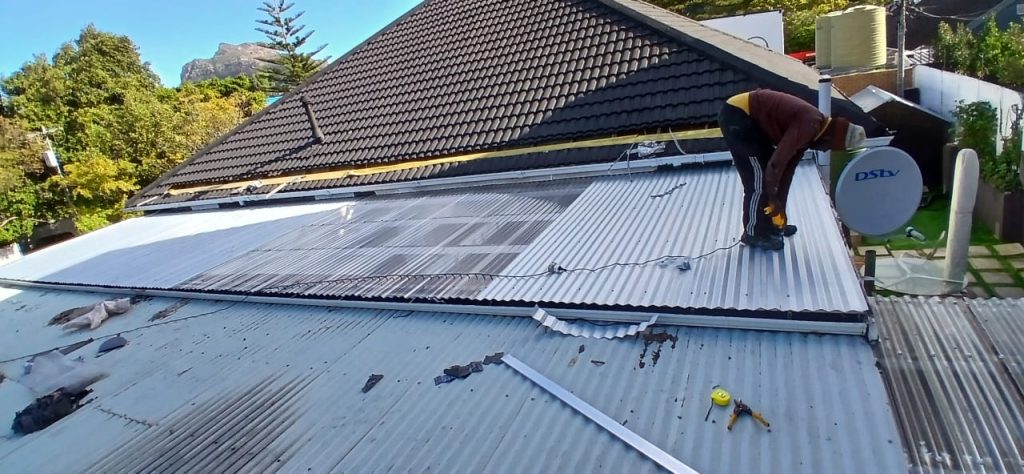
Walk the site before opening the roof or external walls. Mark occupied rooms, exposed electrical items, timber, boards, cement products, excavations and stored finishes. Decide where water would flow if a cover failed and keep sensitive materials out of that path.
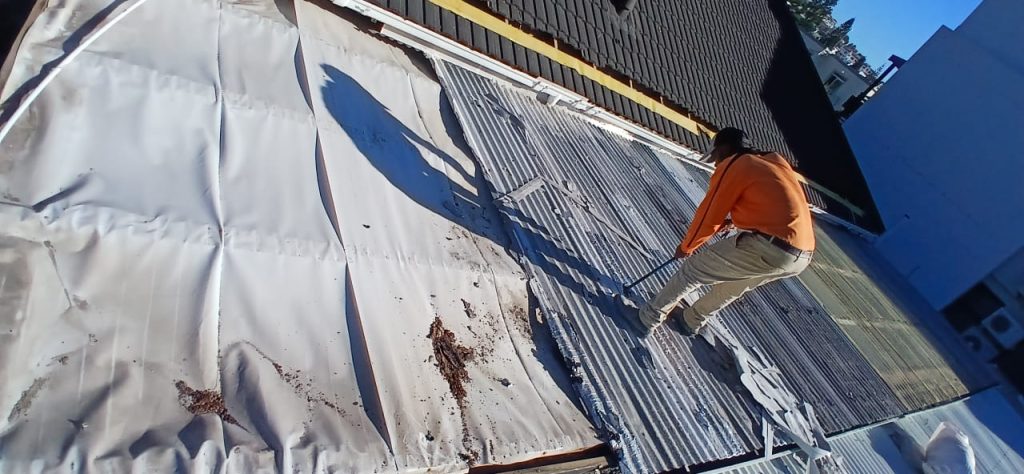
Temporary protection must shed water to a safe discharge point. A flat tarp that collects water becomes a heavy load and can fail suddenly. Covers need adequate falls, secure edges and regular inspection, with particular attention to wind uplift and sharp surfaces that can puncture the material.
Plan every opening and closing sequence
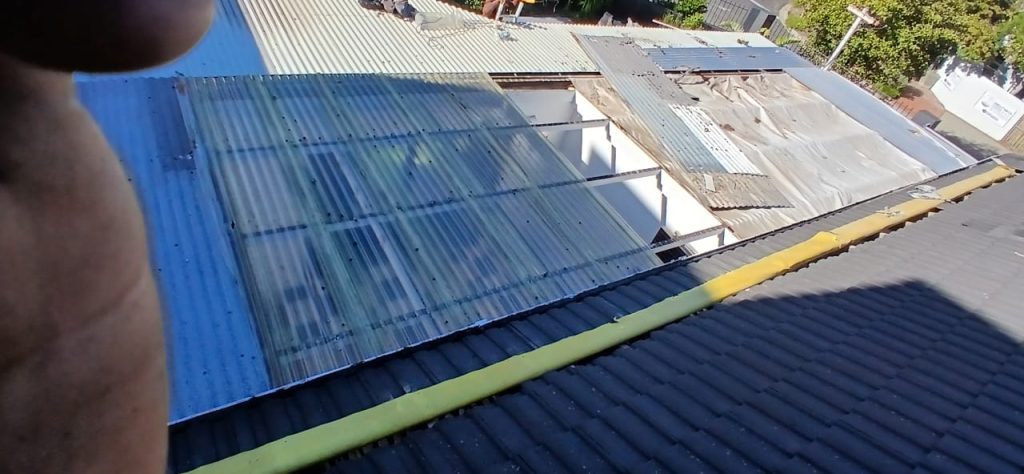
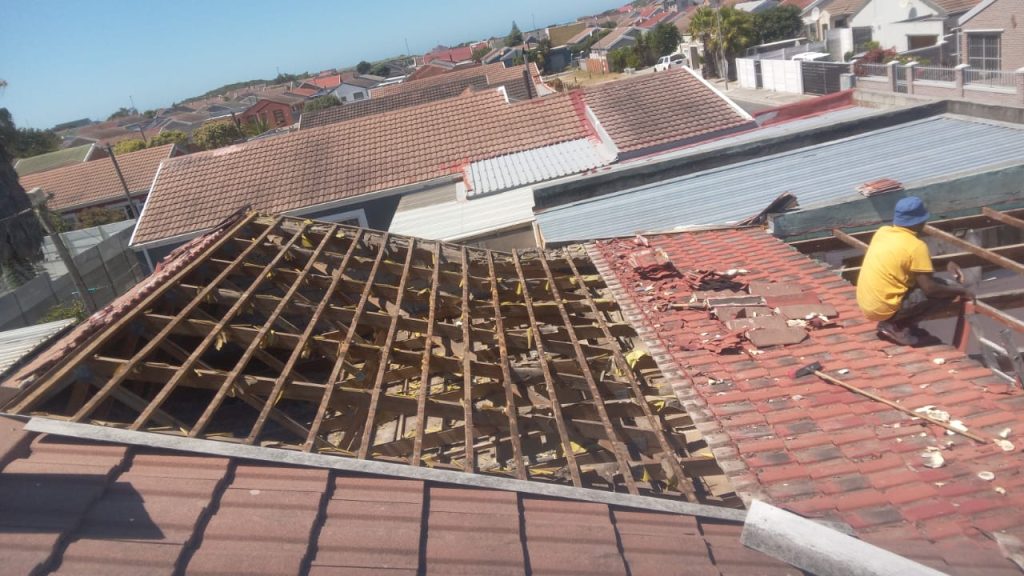
Do not expose more of the building than the team can protect before weather changes. Break roof and wall work into manageable zones, and keep the materials and labour needed for temporary closure available. The programme should include protection time rather than assuming productive installation continues until the last minute.
Before leaving site, complete a closure checklist: covers tensioned, outlets clear, loose material secured, tools removed, internal protection in place and a responsible person assigned for the next inspection. Take photographs so the condition is documented.
Store materials according to their requirements
“Under a tarp” is not suitable storage for every product. Keep bagged materials dry and raised, protect boards from moisture and distortion, and store finishes where they cannot be splashed or contaminated. Follow manufacturer requirements for adhesives, coatings, membranes and other temperature- or moisture-sensitive products.
If material gets wet, quarantine it until its condition is assessed. Installing swollen boards, contaminated coatings or damp substrates can move the problem into the finished building. Record damaged stock separately for replacement or an agreed decision.
Inspect after rain before restarting
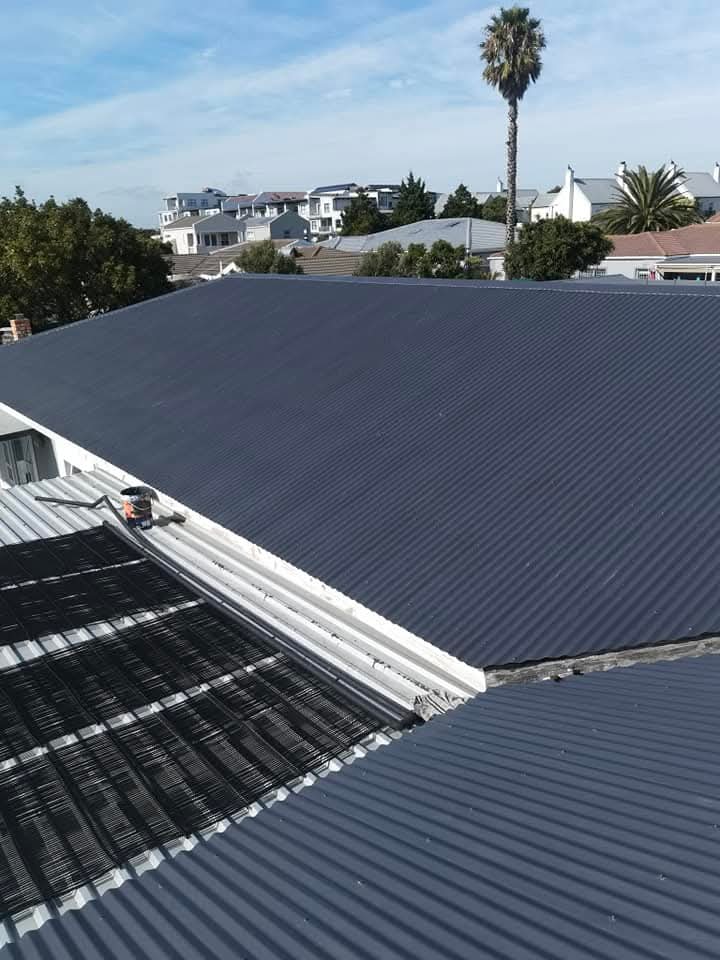
Check covers, temporary drainage, excavations, scaffolding access, electrical safety and exposed substrates. Do not seal over trapped moisture simply to recover the programme. The relevant trade should confirm when surfaces are ready for the next product or layer.
Update the short-term programme using the actual condition of the site. Some work can move to protected areas while external surfaces dry. A useful weather plan contains alternative tasks rather than forcing unsafe or poor-quality work during unsuitable conditions.
Include weather protection in the quotation
Ask who supplies, installs, checks and removes temporary protection, and what happens after an overnight warning. Use the delay-management guide to build weather buffers and the roof-leak guide to understand water paths. For a scoped renovation plan, request a site quotation.
Daily rain-preparation checklist
- Check the forecast and the site’s actual exposure before opening work.
- Confirm covers, fixings, falls and discharge routes.
- Raise and protect moisture-sensitive stock.
- Clear temporary and permanent drainage paths.
- Secure loose sheets, tools, packaging and waste against wind.
- Protect occupied rooms and identify an emergency contact.
- Photograph closure and inspect again after significant weather.
Assign the checklist to a named person. “The team” is not an owner, especially when several subcontractors leave at different times. Where severe conditions are forecast, reassess whether temporary protection is adequate or whether the building needs a more robust closure before work continues.
What to do if water enters the work area
Make the area safe before attempting to save materials. Isolate affected electrical risk through an appropriate competent person, stop further entry where it can be done safely and move vulnerable items out of the water path. Do not climb onto a wet roof or unstable temporary structure during severe conditions.
Photograph the entry point, affected materials and extent of water before cleanup where practical. Separate wet stock and identify which finished layers may have trapped moisture. The project team should assess substrates before covering or repainting them.
After the immediate response, determine why the protection failed—fixing, fall, discharge, puncture, wind or an unprotected junction—and change the closure method. Reinstalling the same arrangement without learning from the failure invites a repeat incident.
Include weather decisions in the daily site record
Record the forecast checked, exposed areas, protection installed and the person who completed the closure inspection. Note any wet materials, standing water or work postponed because the substrate was unsuitable. This creates a practical history when several teams share responsibility for the site.
Owners should also know who may enter after hours if a cover fails and how that person will access the property safely. Emergency contact details, keys or alarm arrangements should be agreed before severe weather, not while rain is already entering the building.
Check neighbouring properties and shared access routes as part of the plan. Temporary discharge must not send concentrated water, mud or debris across a boundary or public walkway. Where runoff cannot be managed safely, reduce the exposed work area or postpone opening it.
Recheck the arrangement whenever wind direction or site conditions change.