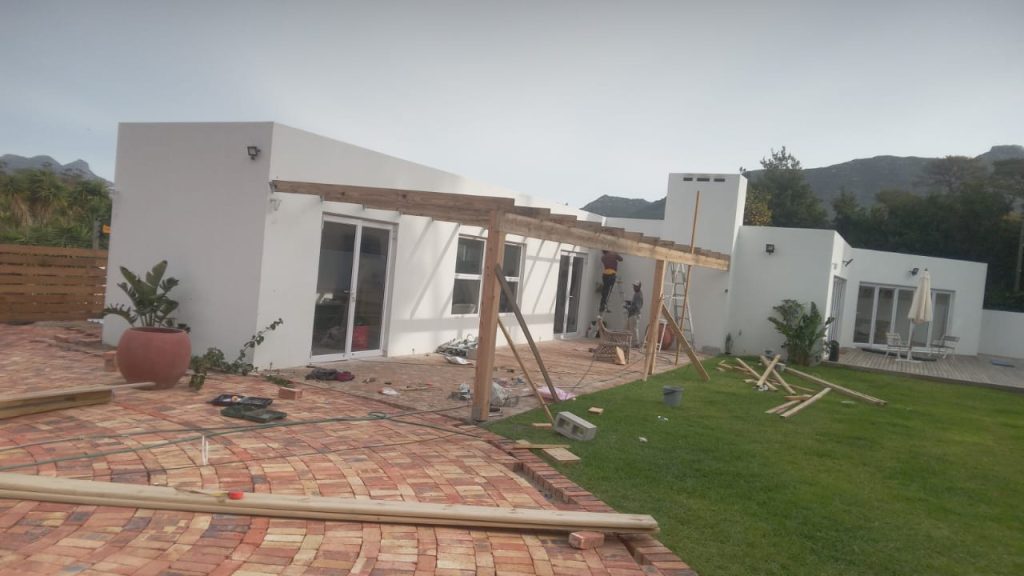
Cape Town homeowners are strong on motivation but often underprepared for renovation sequencing. The biggest issue is not budget, it is sequencing confusion that causes avoidable mistakes and repeated change orders.
Mistake 1: skipping pre-demolition mapping
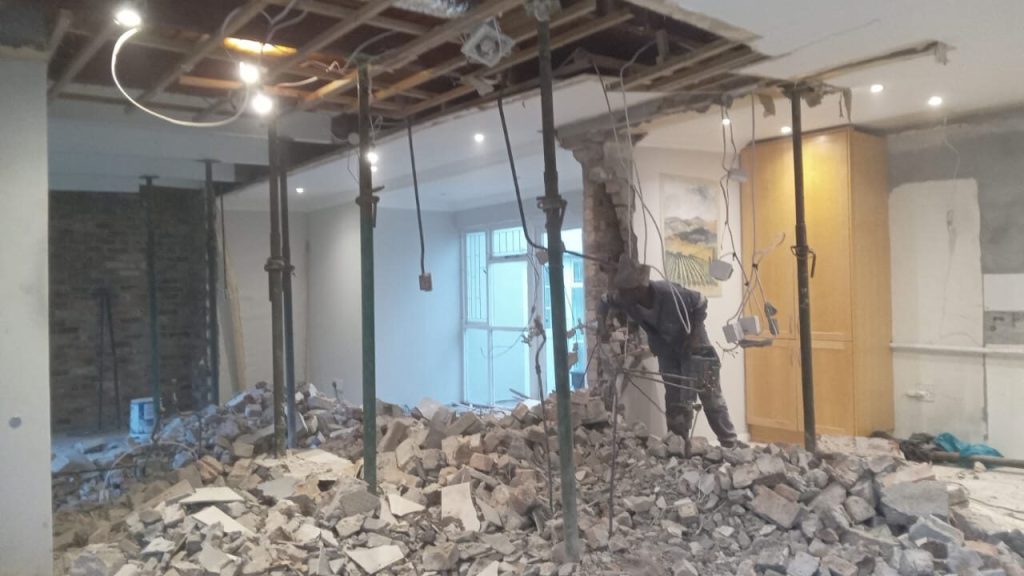
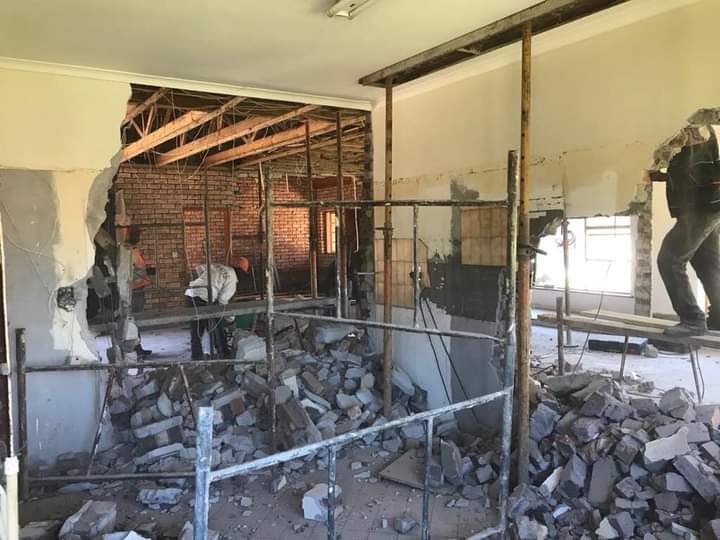
Every renovation should begin with a full services map: walls, cables, pipes, beams, and hidden structural lines. Removing finishes without this map is one of the most expensive mistakes.
Mistake 2: choosing builders only on price
A low quote is often attractive, but many low quotes hide exclusions. Ask for itemized rates for demolition, waterproofing, tiles, and finishes. If a quote skips risk allowances, you may pay later through defects.
Mistake 3: approving scope too late
Design changes after materials arrive create waste and delay. Finalise room-by-room sequence early, then lock it in with photos and written scope notes.
Mistake 4: underestimating waterproofing
Waterproofing is not a one-off task; it must connect to flashings, slab edges, gutters, and openings. Skipping edge detailing causes hidden damp and visible stains months later.
Mistake 5: ignoring weather windows
Cape Town winters and coastal winds demand buffer time for concrete cure, membrane laying, and interior painting. A site that is forced to stay open for continuity often produces avoidable rework.
Mistake 6: poor communication cadence
Homeowners often send fragmented instructions. Keep one issue tracker with task owners and expected completion windows. Weekly inspections should confirm quality, not just progress.
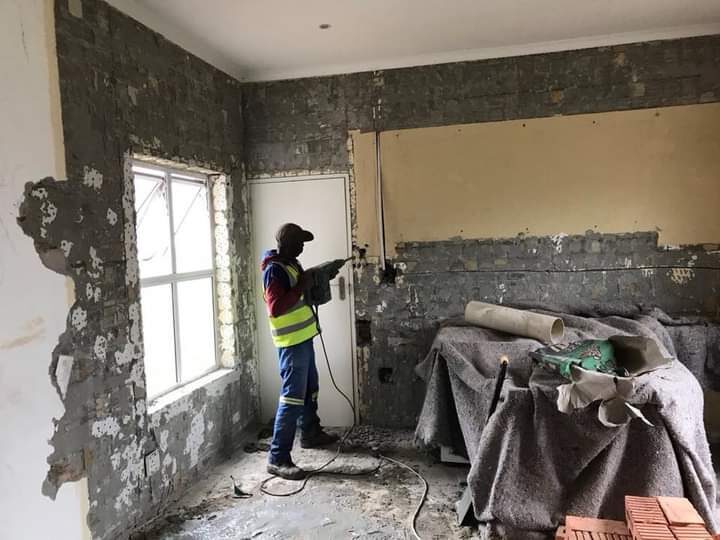
Mistake 7: missing hidden approvals
Even if the project is small, parking, structural review, and municipal notices matter. Missing a required approval can pause project and affect legal compliance.
Mistake 8: weak material storage
New materials stored on muddy ground or exposed to rain become unreliable before installation. Protect stock and create a staging plan from day one.
Mistake 9: not fixing defects before the next layer
If a patch is visible and unresolved, continue with the next trades only after it is corrected. Defects become harder to fix as layers build.
Mistake 10: delaying final inspections
Do not defer inspections to handover day. Run inspection checkpoints after every major phase: structure, waterproofing, rough-ins, finishes.
Mistake 11: poor quote comparison
A comparison should include lead times, substitutions policy, warranty terms, and replacement commitments. If a quote does not include these, it is incomplete.
Mistake 12: forgetting living logistics
Homeowners must protect belongings, access routes, and emergency egress. Poor planning makes the site slower and increases claims.
Build a quality-first workflow
A practical workflow:
- Baseline inspection and scope capture
- Detailed quote review and risk pricing
- Phase approvals and weekly reporting
- Independent defect checks at milestones
- Final inspection and punch-list closure
Related guides
For a Cape Town project, also read:
- How to choose the right renovation quote
- How to handle renovation delays
- Pre-handover checklist and signoff
- Plumber interview checklist
- Bishopscourt Building Contractors
How to recover if mistakes already happened
When defects appear, do this quickly:
- Record defects with date, location, and photo
- Classify as safety, waterproofing, or cosmetic
- Assign corrective trade and target closure dates
- Keep written approval before closeout
FAQ
Is every visible issue worth fixing before next phase?
Yes, if it affects structure, water movement, or load transfer.
How can I avoid scope creep?
Use change request notes and written approvals with dates and price impact.
Is it okay to keep one contractor for all trades?
You can, but only if they prove specialist access to each discipline and have strong coordination.
Why are inspections so important in Cape Town?
Weather and soil conditions expose weak details quickly, so you need evidence at each stage.
Can I still save money by planning better?
Yes, by reducing rework and reducing change order disputes before they start.
Define what “finished” means before work begins
A scope that lists only rooms and trades is not enough. Record the surfaces included, preparation standards, product ranges, quantities or allowances, protection, rubble removal and the condition expected at handover. Photographs and marked-up plans help both parties understand boundaries that are difficult to describe in a short quotation.
Separate confirmed work from provisional allowances. If an amount covers an unselected item, state what quantity and quality level it assumes. If concealed damage cannot be measured yet, describe how it will be assessed and approved. This makes variations easier to control and reduces arguments about what the original price included.
Protect occupied homes and neighbours
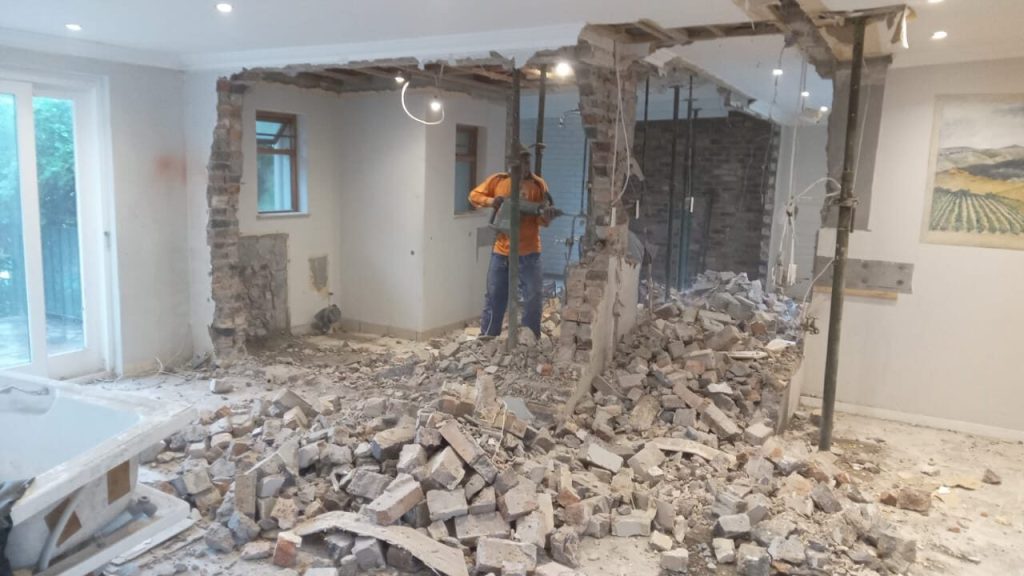
Renovating while people remain in the house requires a practical living plan. Decide which bathroom, kitchen facilities, entrances and parking areas stay available. Dust barriers, daily cleaning, tool storage and safe separation from children and pets should be agreed before demolition.
Discuss working hours, noisy activities, deliveries and waste removal where neighbours are close. A short communication plan can prevent avoidable conflict. It should identify one owner representative and one contractor representative so instructions do not arrive from several people with different priorities.
Control quality before defects disappear
Many costly mistakes are concealed by the next trade. Check substrate preparation before waterproofing, waterproofing before tiling, plumbing before boxing-in, and electrical routes before ceilings close. Photographs are useful, but they do not replace the inspections or professional involvement appropriate to the work.
Create hold points in the programme and attach them to payment milestones. If a defect is found, record the correction and recheck it before allowing the next layer to proceed. This is far easier than removing finished tiles, cabinetry or ceilings later.
Make decisions through one variation process
Small verbal changes accumulate. Require a written description, price and programme effect before approving additional work. Keep a simple variation register showing requested, priced, approved, completed and paid status. This protects the budget without preventing sensible changes when the house reveals an unexpected condition.
Review the forecast total regularly, not only the amount invoiced to date. Include approved variations, remaining allowances and likely risks. If the project is moving beyond budget, decide which future items can be simplified before the money is already committed.
Recover a project that is losing control
Pause new discretionary work, list unfinished and defective items, and agree the next two weeks in writing. Use the delay-management guide to rebuild the programme, the quote-comparison guide to clarify scope, and the handover checklist to define completion. For a fresh assessment, request a site quotation.
A practical pre-start control list
- Confirm the current drawings, scope, finish schedule and exclusions.
- Record access, parking, storage, protection and waste arrangements.
- List owner selections with decision and delivery dates.
- Set inspection hold points for concealed and water-sensitive work.
- Agree the format for progress reports, variations and payment claims.
- Define handover documents, testing and snag closure in advance.
Review this list with the person who will actually supervise the site. A polished quotation from the office does not help if the daily team has not received the same information. Keep the current documents in one shared location and date revisions so nobody builds from an obsolete instruction.
Keep a usable project record
Save the accepted quotation, current drawings, approvals, product selections, progress photographs, variation register, invoices and handover documents together. Use dates and revision numbers in filenames. A tidy record helps the owner answer questions quickly and gives future contractors useful information about concealed work and previous repairs.
Documentation does not need to become bureaucracy. A weekly photograph set, one action list and one variation register are often more useful than hundreds of disconnected messages. The important point is that the current instruction, cost and responsibility remain clear.