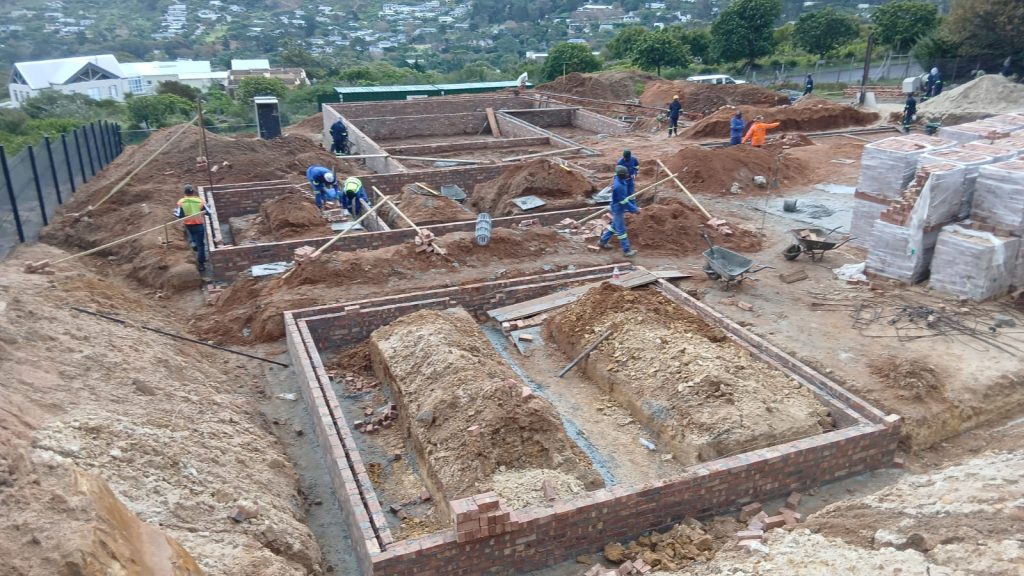
Delays are unavoidable in some forms, but unmanaged delays destroy trust, budgets, and schedules. In Cape Town, delays usually come from three sources: approvals, weather, and coordination failures.
Build delay control before ground breaks
Set up a weekly control sheet that tracks:
- Task owner
- Planned start and finish
- Approval dependencies
- Critical materials and transport windows
Use one shared tracker so every subcontractor has visibility.
Approval and permit delays
Permits can stall builds if documents are incomplete. Keep a compliance checklist:
- Structural drawings and signatures
- Permit references and status IDs
- Inspection booking dates
- Service relocation notices
If an approval is pending, pause non-dependent tasks to keep momentum where possible.
Material delay prevention
Suppliers in Cape Town can experience stock swings. Prevent this by:
- Confirming stock numbers in writing
- Keeping alternates approved in advance
- Reserving buffer windows for late deliveries
Especially for imported tile and specialist fixtures, pre-booking avoids schedule ripple.
Trade coordination delay traps
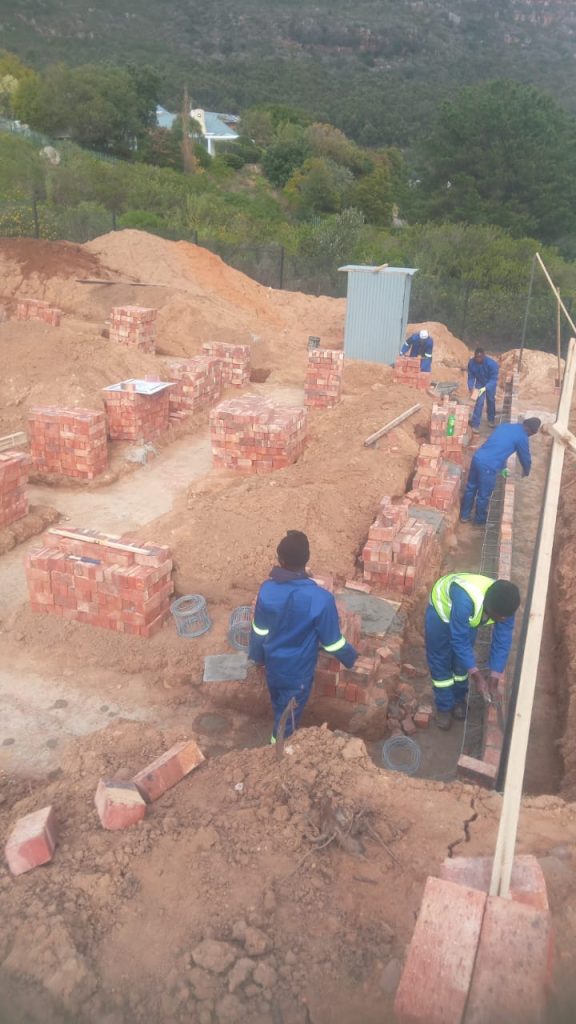
The biggest problem is hidden dependency. A plumber who starts too early can block floor prep; a painter waiting for final plaster quality blocks handover.
Mitigation:
- Define start conditions for every trade
- Hold a 15-minute daily standup with site lead
- Confirm prerequisites before each handover
Weather and seasonality buffer
Use realistic buffer days around forecast windows. If a major wet event is predicted, move internal works forward and defer exposed tasks.
Contractor communication rhythm
A practical rhythm:
- Daily morning status snapshot
- Weekly risks review
- Immediate escalation protocol for blocked work
This reduces surprises and makes delay causes transparent.
Financial impact control
Calculate delay cost per day for each critical task. The earlier a delay is visible, the easier it is to negotiate fair relief with trades.
FAQ for owners under pressure
What is a realistic contingency buffer?
For many Cape Town home projects, 10 to 15 percent schedule float is realistic.
Can my contractor still meet quality targets after delays?
Yes, if scope and inspections are re-sequenced rather than rushed.
How to avoid paying for idle days?
Link progress payments to verified completed milestones.
Who owns delays from subcontractor availability?
That should be clear in the original contract and escalation path.
Related planning guidance
- How to protect your site from rain
- Choose a better renovation quote
- Common renovation mistakes to avoid
- Handover checklist
Action plan for the next 14 days
- Freeze schedule and identify critical path
- Record each dependency and owner
- Confirm materials with suppliers
- Book inspections and communicate revised dates
- Publish revised closeout plan
Delays are manageable when visibility is high and decisions are written.
Diagnose the delay before changing the programme
Classify each delay as a decision, information, approval, procurement, access, weather, labour, defect or variation issue. Then identify the next activity it blocks. A general statement that the project is “two weeks behind” does not show which action can recover time.
Keep a short delay register with the date raised, owner, required action and programme effect. Review it at a consistent weekly meeting. This creates accountability without filling the project with unnecessary messages.
Protect the critical sequence
Some late tasks have flexibility; others stop several trades. Structural work, waterproofing, plumbing tests and confirmed dimensions for made-to-order items often affect many later activities. Ask the contractor to show the sequence that currently controls completion and focus decisions there first.
Adding more workers is not always a solution. Crowded rooms and overlapping trades can reduce quality or create rework. Recovery should use safe resequencing, confirmed resources and realistic drying or curing times rather than compressing every activity indiscriminately.
Lock owner decisions with clear deadlines
Create a selection schedule for tiles, fittings, colours, lights, cabinetry and other owner decisions. Each item needs a decision date based on procurement and installation, not a vague “later.” Record the approved product and who is ordering it.
If the preferred item will arrive too late, compare a substitute against dimensions, performance, appearance, warranty and cost before approving it. An uncoordinated substitute can save delivery time but create installation delay elsewhere.

Manage variations without losing visibility
Every proposed change should show its price and time effect before work proceeds. Update the completion forecast when a variation is approved. Owners can then choose whether the benefit justifies the delay instead of learning about the combined impact near handover.
Keep original contract work, approved variations, defects and owner-supplied delays separate. This makes discussions more factual and helps the parties agree which recovery actions belong to whom.
Use a two-week recovery plan
List the work areas that can proceed, required decisions, deliveries, inspections and responsible people for the next ten working days. Confirm access and dependencies before publishing the plan. Review actual completion at the end of each week and move unresolved blockers forward with an owner and date.
The renovation mistakes guide helps prevent rework, while the quote guide explains programme and variation terms to settle before appointment. For help assessing a delayed project, request a site quotation.
Questions for the weekly progress meeting
- What was planned, and what was actually completed?
- Which issue currently controls the completion date?
- What information, decision, delivery or inspection is needed next?
- Who owns each action, and by what date?
- Which variations have a time effect that is not yet in the forecast?
- Can another safe work area proceed without creating rework?
End the meeting with one updated action list and a two-week look-ahead. Long meeting minutes that do not identify owners and dates rarely recover a project. The short-term plan should be credible enough that every trade can confirm its labour, materials and access.
Communicate a revised completion date honestly
A new date should follow a review of remaining quantities, trade availability, decisions, deliveries, inspections and realistic working conditions. Repeating the original date after the controlling sequence has changed damages trust and encourages rushed finishing.
Show the assumptions behind the forecast and identify risks that can still move it. If several items remain uncertain, provide a range or state the decision date needed before a reliable commitment can be made. Update the owner when an assumption changes rather than waiting for the next formal meeting.
Recovery is successful only when the project regains predictable flow and preserves quality. Finishing one visible room quickly while unresolved defects or missing information block the rest of the house is not meaningful schedule recovery.

Measure recovery against completed, usable work
Progress percentages can be misleading when many activities have started but few are finished. Track rooms or work packages that have passed their required inspection and are ready for the next trade. This exposes bottlenecks earlier than a broad claim that the project is “almost complete.”
For each recovery action, record the expected gain and the new risk it may introduce. Resequencing could require temporary protection, repeated access or additional supervision. Approve it only when the team understands those consequences and the change does not compromise concealed work.
If the controlling delay sits outside the contractor’s direct control, agree what evidence is needed, what work can continue and when the programme will be reviewed again. A transparent forecast is more useful than an optimistic date that changes every week.
Close decisions before they become site delays
Turn every unresolved selection or technical query into a dated request with the information needed for an answer. The responsible person should confirm when a late response will affect ordering or installation. This gives the owner time to choose an alternative before labour arrives with no buildable instruction.