Homeowners in Cape Town often ask if they should budget R30,000, R80,000, or more for a bathroom. The real answer is: it depends on finishes, waterproofing depth, and plumbing condition.
This guide gives a practical cost view so you can choose the right scope and avoid budget surprises.
What drives bathroom cost most
Bathroom cost is typically split across six buckets:
- Structural preparation and slab modifications
- Plumbing relocation and upgrade
- Waterproofing membranes and drainage details
- Tile and flooring finishes
- Sanitary and fixture packages
- Labour coordination and contingencies
The hidden variable is existing condition. Older homes often need hidden pipe and damp corrections before visible work begins.
Cost bands by project scope
Essential refresh
Regrout, retiling, and basic fixture upgrades in a sound room.
Mid-range remodel
Plumbing shifts, structural rebore, premium tile, and full waterproofing remediations.
Premium remodel
New layout, niche integrations, larger fixtures, bespoke joinery, and upgraded fittings.
Room-by-room cost planning
Floor and base structure
If floor levels differ from current tile, budget for levelling and reinforcement.
Plumbing and drainage
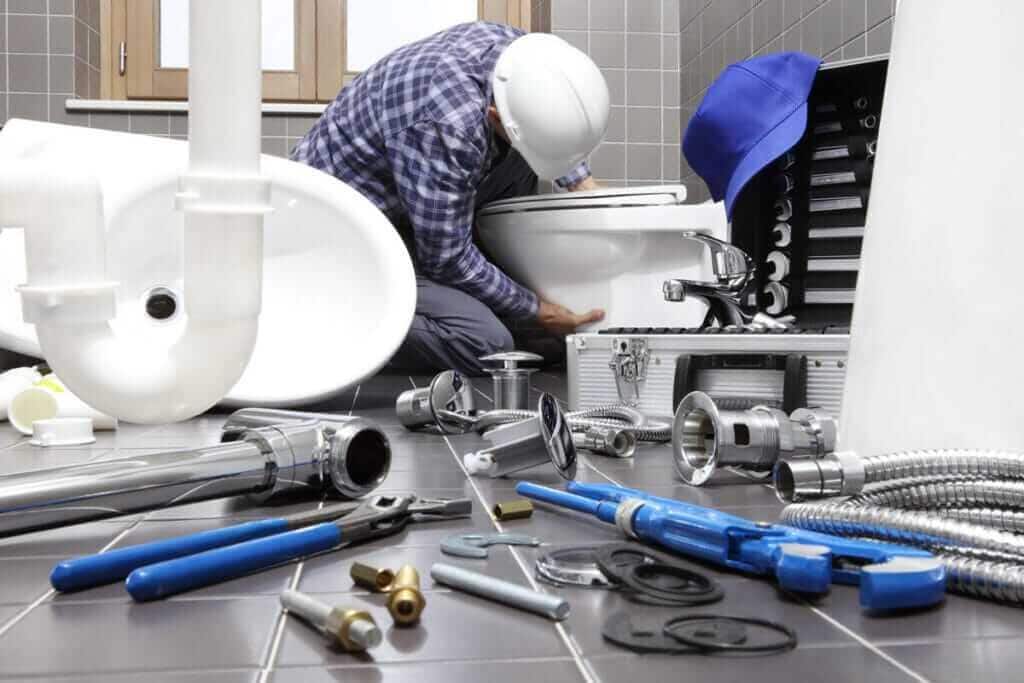
Pressure tests and reroute planning are mandatory before tile starts.
Waterproofing
A continuous membrane with tested joints prevents seepage. Include corners, penetration points, and threshold transitions.
Wall tiles and design
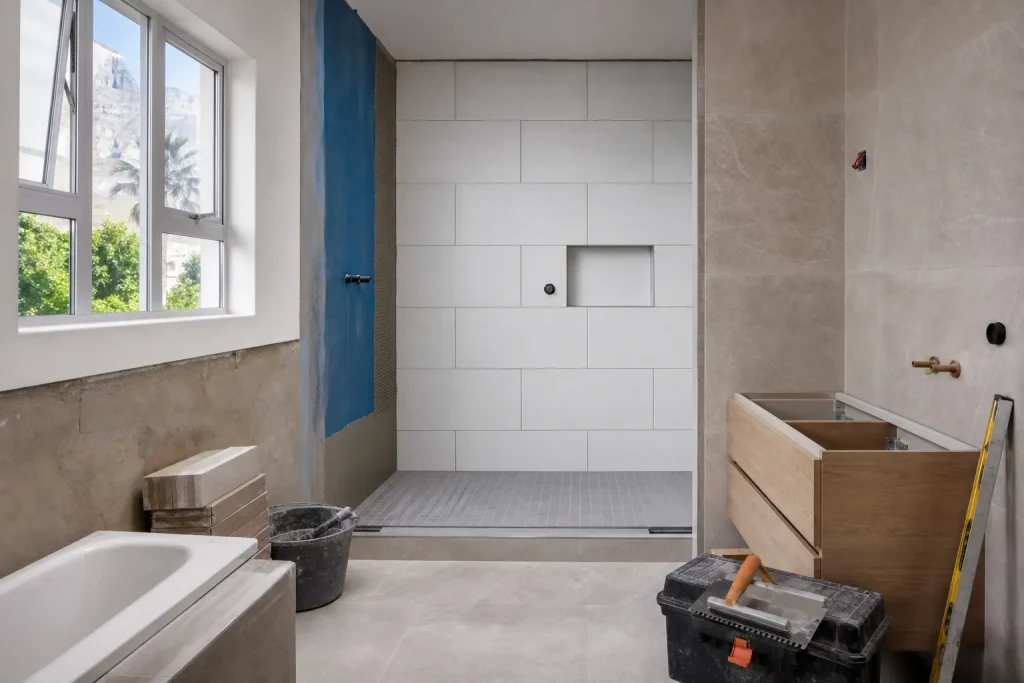
Large-format tiles reduce grout lines but may need extra cutting and edge treatment.
Ceiling and electrical
Lighting and extractor upgrades matter for ventilation and long-term health.
Contractor and pricing mistakes that increase bills
Many budgets fail because clients skip:
- Contingency for hidden services
- Clear list of exclusions
- Warranty terms and replacement conditions
- Payment milestones linked to inspection points
Include 10 to 15 percent contingency for unforeseen masonry or hidden damp issues.
How to compare quotes safely
Use a scorecard, not only number:
- Scope clarity
- Materials specification
- Waterproofing warranty
- Lead times and stock risk
- Clean-up and disposal scope
If two contractors differ by more than 20 percent, request variance notes before selecting.
Example pricing approach for Cape Town
You can model budget as:
- Base estimate
- Upgrade options
- Unknown-condition allowance
- Rain and delay buffer
- Final design contingency
This gives better control than one fixed lump sum.

Related planning guidance
Before finalising budget, cross-check:
- Renovation delay management
- How to ask a plumber the right questions
- Renovation handover checklist
- Waterproofing rain protection guide
- Services overview
Timeline and payment structure
A typical bathroom project follows:
- Week 1: demolition and structural reveal
- Week 2: plumbing and rough services
- Week 3: waterproofing and inspections
- Week 4: tiling and fixture install
- Week 5: finishes and handover checks
Use milestone-based payments to protect cash flow and quality.
FAQ
Why do bathroom costs vary so much?
Existing moisture, tile removal complexity, and hidden pipe reroutes create high variation.
Is premium tile always expensive?
Not always. Mid-tier long-life finishes often give better value than premium stone with specialist cuts.
How long does waterproofing installation take?
Usually one to two days plus cure and testing windows depending on room size and conditions.
What is the cheapest place to lose budget?
Skipping contingencies for hidden damp and old pipe reroute.
Should I buy appliances before construction?
Yes for planning, but confirm installation requirements and electrical load first.
Build the budget from quantities and decisions
A useful bathroom budget starts with the room dimensions, the number of plumbing points and the extent of wall and floor finishes. Measure the actual tiled areas, identify where sanitary fittings will remain or move, and record whether ceilings, windows, doors, ventilation and electrical items are included. A single price per square metre cannot capture all of these decisions.
Separate products from installation. Sanitaryware, taps, tiles, screens, cabinetry and accessories may be owner-supplied or contractor-supplied, but the quotation should make responsibility clear. Include delivery, handling, wastage and the small components needed for installation; these are easy to overlook when comparing retail prices.
Allow for the work behind the finishes
Demolition can reveal damaged substrates, corroded pipework, leaking traps or unsuitable previous waterproofing. Ask how concealed defects will be photographed, priced and approved. A contingency should be reserved for genuine unknowns, not used to hide an incomplete basic scope.
Waterproofing needs a defined system, prepared substrate, correct detailing at corners and penetrations, and protection before tiling. The quote should say what area is treated and what test or inspection occurs before it is covered. The cheapest visible finish is poor value if the concealed wet-area work is not reliable.
Compare quotations line by line
Check that each proposal includes the same demolition, disposal, plumbing, electrical, waterproofing, tiling, painting, fittings and cleaning. Look at quantities and allowances, not only totals. A low allowance for tiles or taps may make one quote appear cheaper even though the final selection will trigger a variation.
Confirm whether the price includes making good outside the room, such as a ceiling below, an adjacent passage or external plumbing connection. Ask who coordinates the trades and who is responsible if one trade damages another’s completed work.
Link payments to visible progress
A payment schedule should reflect agreed milestones and materials genuinely required for the next stage. Keep a reasonable balance until snag items, testing, cleaning and documentation are complete. Avoid paying for unverified work simply because a calendar date has arrived.
Track approved variations separately and update the forecast total after every decision. If savings are necessary, simplify replaceable finishes before compromising drainage, ventilation, waterproofing or safe electrical work.
Plan the bathroom as part of the home
Read the plumber questions checklist before appointing the wet-services team and use the handover guide before releasing the final balance. For pricing based on the actual room and selections, request a detailed bathroom renovation quotation.
Bathroom budget checklist
- Demolition, protection, rubble handling and disposal
- Substrate repairs, screeds and making good
- Water supply, waste, valves and fitting connections
- Waterproofing system, preparation and verification
- Tiles, trims, adhesives, grout and installation labour
- Electrical work, lighting, extraction and ceiling finishes
- Sanitaryware, taps, screens, cabinetry and accessories
- Cleaning, testing, documentation and snag work
Put a value or clear responsibility next to every line. If one quote bundles several lines, ask for enough detail to understand what is included. The aim is not to force every contractor into the same accounting format; it is to prevent a major missing item from distorting the comparison.
Ways to control cost without creating defects
Keep the plumbing layout where practical, select readily available standard-size products and finalise choices before installation. Use expensive finishes selectively rather than across every surface. Confirm tile quantities and wastage before ordering, because a late top-up may come from a different batch or cause delay.
Do not save money by omitting substrate repair, waterproofing, ventilation, safe electrical work or testing. Those elements protect the room and surrounding building. If the budget is tight, phase cosmetic accessories or choose simpler replaceable fittings while preserving the concealed work.
Ask the contractor to present alternatives with their cost, maintenance and programme effects. A cheaper product that requires more labour or has a long lead time may not reduce the completed project cost.
Keep a selection register showing the allowed amount, selected product, supplier, delivery date and any price difference. This prevents several small upgrades from quietly consuming the contingency and gives the installer enough time to confirm compatibility.
Review the forecast after each confirmed selection so the remaining allowance and contingency stay visible.
When you are ready to go beyond pricing, our bathroom renovation service covers the full job — waterproofing included.
Get a real bathroom figure, not a range
Waterproofing, falls and the state of what is behind the tiles decide most of a bathroom budget. Let us look at yours and put a proper number to it, in writing and free of charge.