
Building Contractors in Claremont, Cape Town
Around The House Building Services works with homeowners and property managers who need practical building support in Claremont. This suburb combines busy commercial roads, apartment blocks, townhouses, sectional title living and older freestanding homes. That mix changes how building work should be planned.
In Claremont, access can be tight, neighbours may be close, and work often needs better programme control than a stand-alone site in a quieter area. Some homes may also need approvals before work starts, depending on the scope. Our approach is to assess the property, clarify constraints, and build around real site conditions rather than assumptions.
Why Claremont Projects Need Careful Planning
Building in Claremont is not only about the construction itself. It is often about how materials arrive, where rubble is stored, when noisy work happens, and how the property stays functional during the process.
On some sites, there may be shared driveways, limited parking, narrow side access or close boundaries. In apartment and townhouse settings, body corporate rules, neighbour communication and working-hour restrictions can affect the programme. In older homes, existing walls, levels, roofs and services may need investigation before finalising the scope.
That is why we focus on planning first: site checks, access review, likely disruption points, and a quotation that explains what is included and what still needs confirmation.
Residential Work Across Apartments, Townhouses and Older Homes
Claremont includes very different property types, so the building method should fit the home. Apartment work may involve lifting restrictions, shared passages and protection of common areas. Townhouse projects may need careful sequencing to reduce disruption in close living environments. Older homes may reveal hidden defects once finishes are opened.
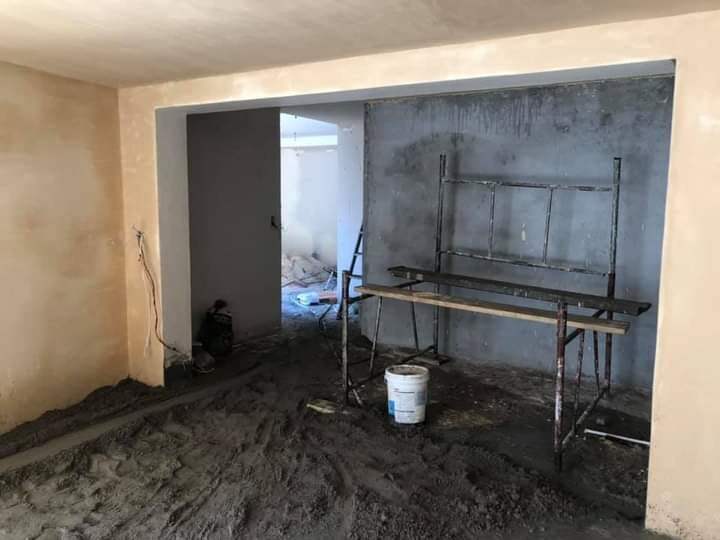
We carry out renovation and alteration work with attention to occupation, access, and the condition of the existing structure. If you are comparing options for a home upgrade, see our residential renovations page for related project types.
Access, Neighbour Protection and Daily Site Control
Limited access is a real issue on many Claremont properties, but not all. Where it applies, it affects labour flow, deliveries, waste removal and the order of work. A contractor should identify this early, because access problems can impact both timing and cost.
Neighbour protection also matters in dense mixed-use areas. This can include dust control, floor and passage protection, sensible delivery timing, controlled demolition methods and secure storage. Where homes remain occupied nearby, keeping the site tidy and predictable becomes even more important.
Good daily site control reduces avoidable friction. It also helps keep workmanship inspections, material handling and variations properly documented.
Approvals and Building Plans Where Applicable
Not every Claremont project needs the same approvals. Minor maintenance and certain like-for-like replacements may be treated differently from structural changes, additions or altered layouts. The correct route depends on the work being proposed.
Before construction starts, it is important to confirm whether plans, municipal approval or other permissions are required. If the property forms part of sectional title or another managed scheme, internal approval processes may also apply.
We recommend confirming the approval path as early as possible so the build programme is realistic. For background reading, see building plans approval in Cape Town. You can also view our broader services for the kinds of building work we assist with.
What a Complete Quotation Should Cover
A useful quotation should do more than give a total. It should explain the scope, identify assumptions, describe exclusions, and note where further inspection may still be needed. This is especially important in Claremont homes where existing conditions can change the work once finishes are opened up.
Look for clarity on demolition, protection, waste removal, materials, finishes, labour, access limitations, testing, and who is responsible for approvals where relevant. If the property will remain occupied, the quote should also reflect how phasing will work.

If you are reviewing contractor prices, our guide on choosing the right renovation quote in Cape Town can help you compare scope properly rather than comparing totals alone.
Programme Control in a Busy Suburb
Claremont projects often run better when the programme is broken into clear stages. This may include investigation, strip-out, first fix work, inspection points, reinstatement, finishing and final snagging. A staged programme makes it easier to manage occupied spaces, delivery windows and dependencies between trades.
Programme control matters because delays do not always come from the same source. On one project, the constraint may be approvals. On another, it may be access, lead times, weather exposure or late client changes. Written planning helps everyone understand what must happen first and what can move in parallel.
Where changes are requested during the build, written variations are important. They protect both homeowner and contractor by recording scope, cost and time implications before extra work proceeds.
Working in Occupied Homes and Mixed-Use Settings
Many Claremont owners want to stay in the property for at least part of the project. That can be possible, depending on the scope, but it needs honest discussion. Water shutoffs, power interruptions, dust, noise and bathroom or kitchen downtime all affect occupation.
In mixed-use or higher-density settings, shared access and nearby businesses can also influence working hours and sequencing. A sensible contractor will identify areas that need temporary isolation, protection or phased handover so the property remains as usable as possible.
Early decisions on occupation often prevent stress later. If you are unsure how your project should be phased, use our contact page to discuss the practicalities before requesting a final build start date.
Site Evidence, Testing and Existing Conditions
Good decisions come from site evidence. Before finalising certain work, it may be necessary to inspect roof spaces, ceilings, wall build-ups, drainage routes, damp areas, timber condition or previous repair lines. Older homes in Claremont can contain surprises, but that does not mean every older property will.
Testing and checks should suit the scope. Examples may include leak testing in wet areas, drainage checks, moisture investigation, fall verification, or inspection of structural interfaces where walls are removed or opened. The point is not to overcomplicate the project. It is to reduce avoidable rework and confirm that hidden items support the visible finish.
Handover, Snagging and Final Documentation
A professional handover should not be rushed. Once the main works are complete, there should be a clear process for identifying snags, finishing them, cleaning up, and confirming what has been delivered against the agreed scope.
For many homeowners, this is where a checklist is useful. Items may include joinery operation, sanitaryware checks, sealants, paint touch-ups, electrical fittings, waste removal and any agreed certificates or manuals relevant to the work completed.
Our guide to the renovation handover checklist before final payment is a practical reference if you want to prepare properly for the last stage of the project. When you are ready to start planning your own build, request details through our quote page.
FAQs for Building Work in Claremont
Do all Claremont properties have difficult access?
No. Some do, especially where there are shared driveways, apartments or compact townhouse layouts, but others are straightforward. Access should be checked per property, not assumed.
Will I need approved plans before renovation work starts?
That depends on the scope. Structural changes, additions and certain layout alterations may require approval, while some minor work may not. It is best to confirm this early for your specific project.
Can I stay in the house while the building work happens?
Sometimes, yes. It depends on the areas being worked on, service interruptions, dust levels and safety. Occupation should be discussed honestly before the programme is agreed.
Why are written variations important during a project?
They record changes in scope, cost and time before extra work goes ahead. This helps avoid disputes and keeps the programme under control.
What should I check in a contractor’s quotation?
Check the defined scope, exclusions, assumptions, materials, waste removal, protection, testing, access constraints, allowances and any items still subject to site confirmation.
How do you reduce disruption to neighbours in dense housing areas?
By planning deliveries, protecting shared areas, managing dust and rubble, controlling noise where possible, and keeping the site organised and secure.
Are older Claremont homes always more risky to renovate?
No. Older homes can present hidden conditions, but not every property does. The right approach is careful inspection and evidence-based planning.
What happens at the end of the project before final payment?
There should be a snagging and handover process so outstanding items are identified, the delivered scope is checked, and final documentation is reviewed where applicable.
Other areas we cover near Claremont
Around The House works right across the Southern Suburbs. If your property is just outside Claremont, we also take on building and renovation work in Harfield Village, Bishopscourt, Kenilworth and Newlands. You can see the full list on our areas we serve page.