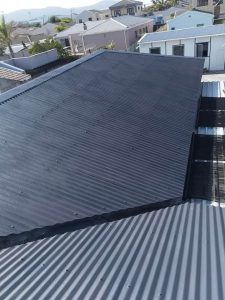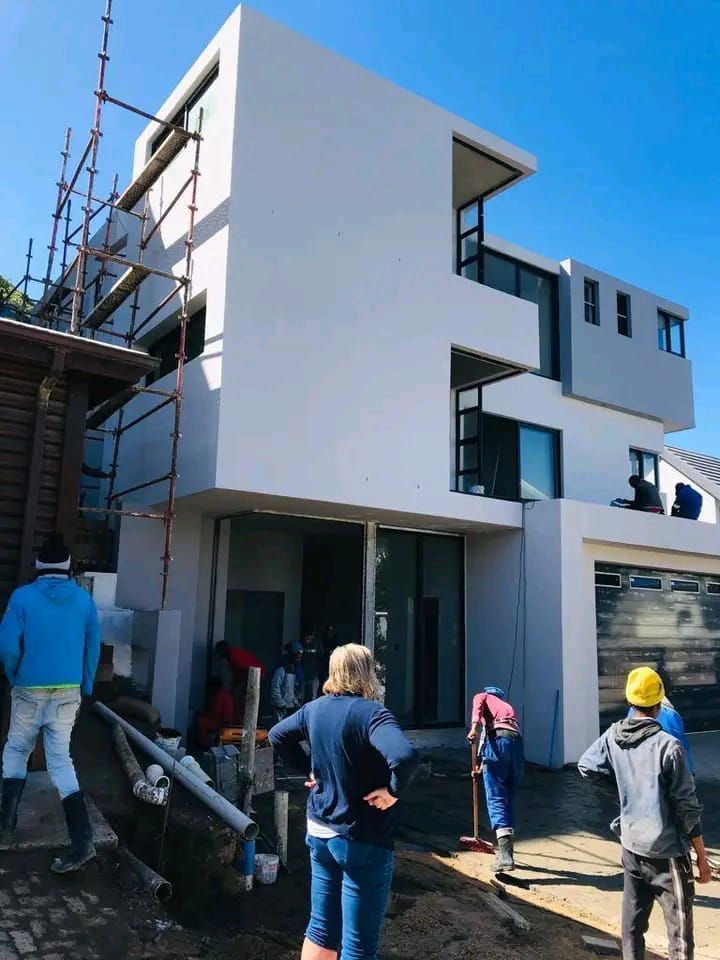
Renovate or Rebuild: Start With the Existing Structure
The choice is not only about appearance. A renovation may preserve a sound structure and reduce disruption, while rebuilding can make sense when the layout, condition and required changes leave little worth retaining. The decision needs evidence, not guesswork.
Properties in established areas such as Kenilworth may also have planning, heritage, neighbour and access considerations that affect both options.
When Renovation May Be Better
- The structure and roof are broadly sound
- The location and footprint already work
- Changes are mainly services, finishes or selected rooms
- Character features are worth retaining
- The project can be phased
Renovation still needs contingency for concealed conditions, especially in older homes.
When Rebuilding May Be Considered
- Extensive structural defects are confirmed
- The desired layout requires major demolition
- Services and envelope need complete replacement
- Compliant improvement is impractical within the existing form
A rebuild introduces demolition, design, approvals and new-construction requirements, so it is not automatically cheaper.
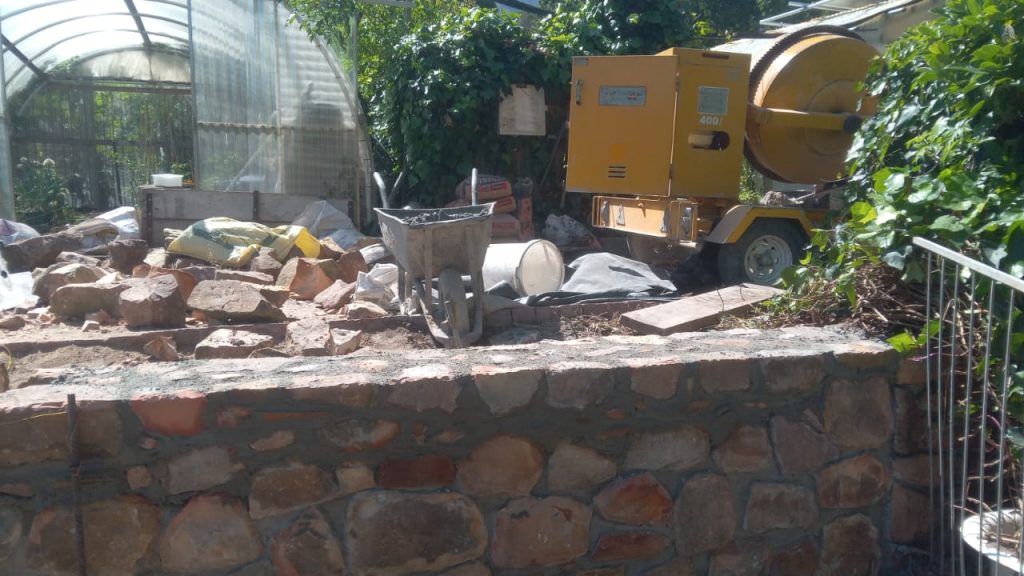
Compare the Whole Project
Consider professional fees, approvals, temporary accommodation, demolition, waste, time and risk—not only building rates. Ask an architect or engineer to assess issues outside a contractor’s competence. Read our guide on renovation approvals.
Whichever way you lean, our renovation services cover both paths — and the recent projects post shows the kind of work involved.
Frequently Asked Questions
Can a contractor decide if a house is structurally sound?
Significant structural decisions should involve a qualified engineer.
Can we live in the house during renovation?
Sometimes, although large structural work may make this unsafe or impractical.
Is rebuilding faster?
Not necessarily. Design, approval, demolition and construction all take time.
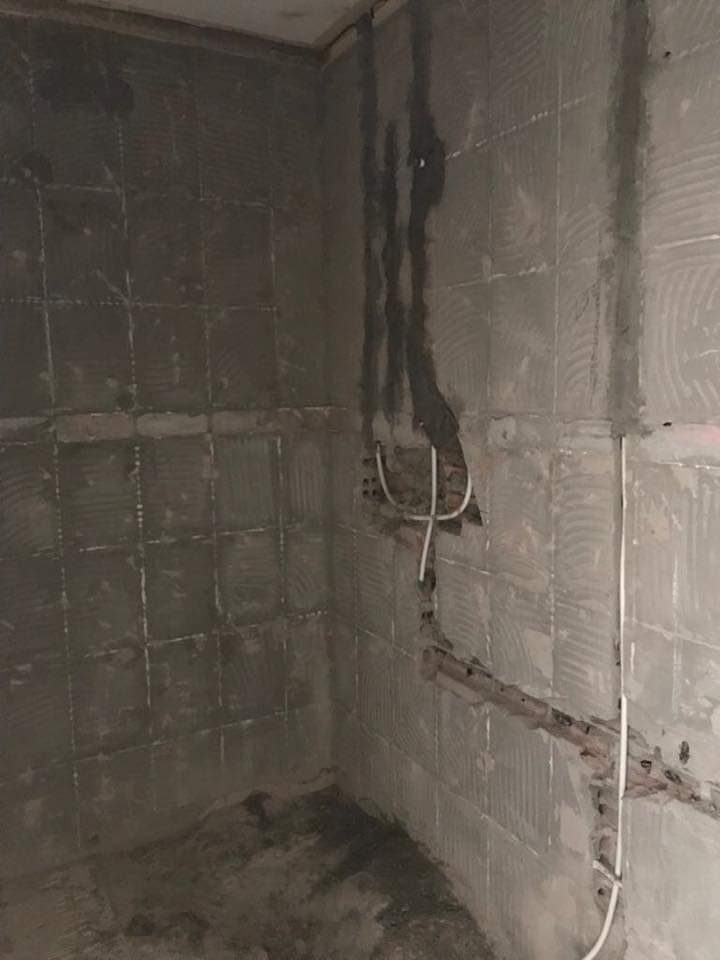
Discuss practical renovation options with our building team.
Compare Structure, Approval and Cost
A structural assessment can reveal whether foundations, walls and roof are suitable for alteration. Compare renovation costs with demolition, professional design, approval, temporary accommodation, new services and the longer programme of rebuilding.
When the Existing House Has Value
A sound structure, useful orientation, established garden or character features can support renovation. Phasing may allow parts of the home to remain usable, although occupied work usually takes longer.
When Rebuilding Deserves Study
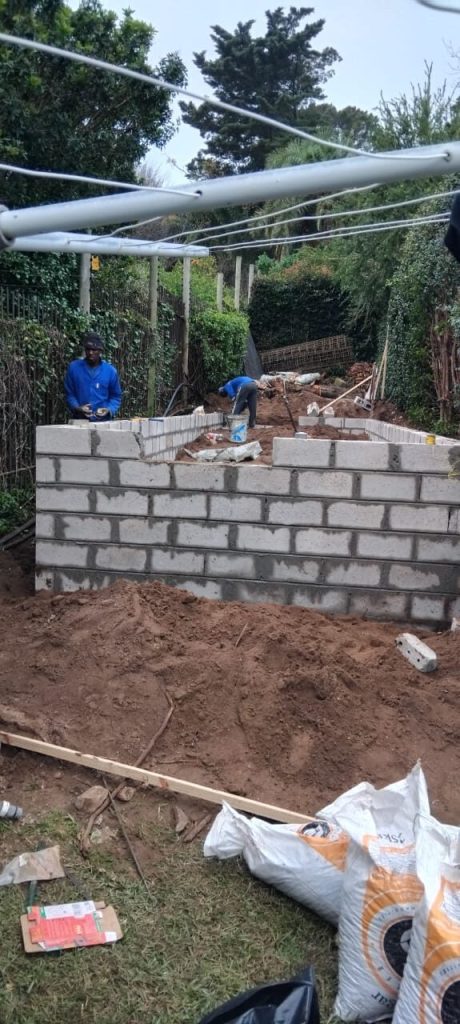
Rebuilding may be considered when the layout is fundamentally unsuitable, structural defects are extensive or the proposed alterations would retain very little. It still requires design, approval, demolition planning and a realistic budget.
Decision Questions
Is renovation always cheaper?
No. Extensive structural alterations and hidden defects can narrow the difference.
Do I need plans for internal changes?
Structural and material layout changes should be checked with an appropriate professional and the City.
Can a renovation be phased?
Often, but duplicated setup and temporary work can increase total cost.
What should I assess before deciding?
Structure, damp, roof, services, planning constraints, energy performance, desired layout and full project cost.