Before buying a house in Cape Town, check the structure as carefully as the kitchen. The problems that cost the most to fix are cracked or moving walls, foundation movement, roof structure damage and leaks, damp, failing retaining walls on sloping plots, and building work done without approved plans. Most of these leave visible clues if you know where to look, and a professional inspection before you commit can save you hundreds of thousands of rand. This guide covers the structural problems to check before buying a house in Cape Town, what each sign can mean, and how the law on defects affects you as a buyer.
Why Structural Checks Matter Before Buying a House
Cosmetic issues are easy to see and easy to price: dated tiles, tired paint, an old kitchen. Structural problems are different. They are often hidden by fresh paint, furniture and a sunny viewing day, and the true cost only shows once the walls are opened up. A cracked foundation or a rotten roof structure can easily cost more than a full kitchen renovation.
Most sale agreements in South Africa also include a voetstoots clause, meaning you buy the property as it stands. A seller cannot hide behind voetstoots if they knew about a latent defect and deliberately concealed it, but proving that later is slow, costly and uncertain. Finding the problem before you sign is far better.
Cracks in Walls: The First Structural Problem to Check
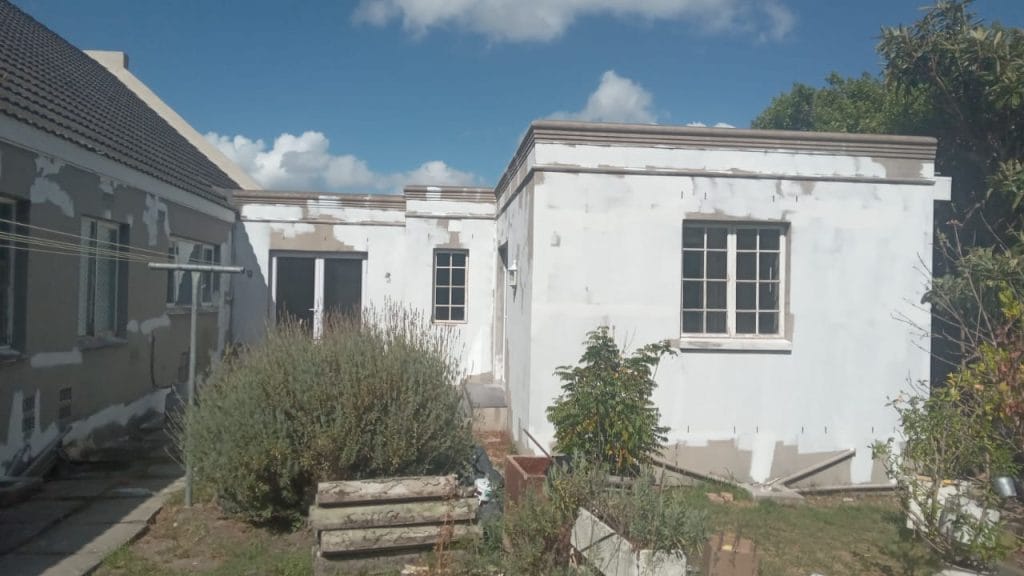
Almost every house has some cracks. The question is which ones matter. Walk around the outside and inside and look for:
- Diagonal cracks from the corners of windows and doors, especially if wider at one end. These can point to foundation settlement.
- Stepped cracks following the mortar joints in face brick.
- Cracks wider than about 3 mm, or ones you can fit a coin into.
- Cracks that have been filled and have opened again, a sign the movement is ongoing.
- Doors and windows that stick or no longer close properly, which can mean the frame has moved.
- Gaps between walls and ceilings, or between an extension and the original house.
Fine hairline cracks in plaster are usually shrinkage and are cosmetic. Our article on cracks in walls and when to worry explains the difference in more detail.
Foundation Problems in Cape Town Houses
Foundation movement is one of the most expensive structural problems to fix, and Cape Town has the conditions that cause it. Some areas have clay soils that swell when wet in winter and shrink in dry summers. Other areas have sandy soils, high water tables, or houses built on slopes. Large trees near the house can also dry out the ground and cause settlement.
Signs of foundation trouble include sloping floors, cracks that run through the full thickness of the wall (visible inside and out in the same spot), separation of a garage or extension from the main house, and paving that has dropped or lifted against the walls. If you see these, ask for a structural engineer’s report before you go further. We do not do engineering ourselves; that is a job for a registered engineer.
Roof Structure and Leak Problems Before Buying
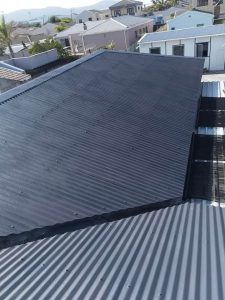
The roof is one of the most important structural parts of the house and one of the easiest to overlook at a viewing. From outside, look for:
- A ridge line that dips or sags, which can mean failing trusses or rafters.
- Broken, slipped or missing tiles, and rusted or lifted sheeting.
- Cracked or crumbling ridge cement and flashings.
- Old grey fibre-cement sheets on homes built before 2008, which may contain asbestos and cost more to replace.
Inside, check ceilings for water stains, bulges or sagging boards, especially near chimneys, valleys and against parapet walls. If you can, look into the roof space with a torch for wet or rotten timber, insect damage and signs of past leaks. Flat roofs and parapet walls on modern Cape Town homes are a frequent source of leaks; check when the waterproofing was last redone. Our guide to why roof leaks keep coming back covers the usual causes.

Beetle and timber damage
In the Western Cape, sale agreements customarily require a beetle certificate from the seller confirming the roof timbers are free of wood-destroying beetles. This is a contract custom, not a legal requirement, so check your offer to purchase includes it.
Damp and Water Damage: Structural Problems That Hide Well
Damp is common in Cape Town because of our wet winters, and fresh paint is the classic way to hide it. Look for:
- Tide marks, bubbling paint or white salts low on walls, which may point to rising damp.
- Damp patches high on walls or under windows, which suggest water coming in from outside.
- Musty smells, mould in cupboards, and new paint on only one section of wall.
- Paving or garden beds built up above the damp-proof course outside.
If you are viewing in summer, damp may not be visible at all. Ask the seller directly about leaks and damp, and look at how the walls look along the base. Our guide to rising damp causes and signs explains what each pattern means, and our waterproofing cost guide helps you price repairs.

Retaining Walls and Sloping Sites
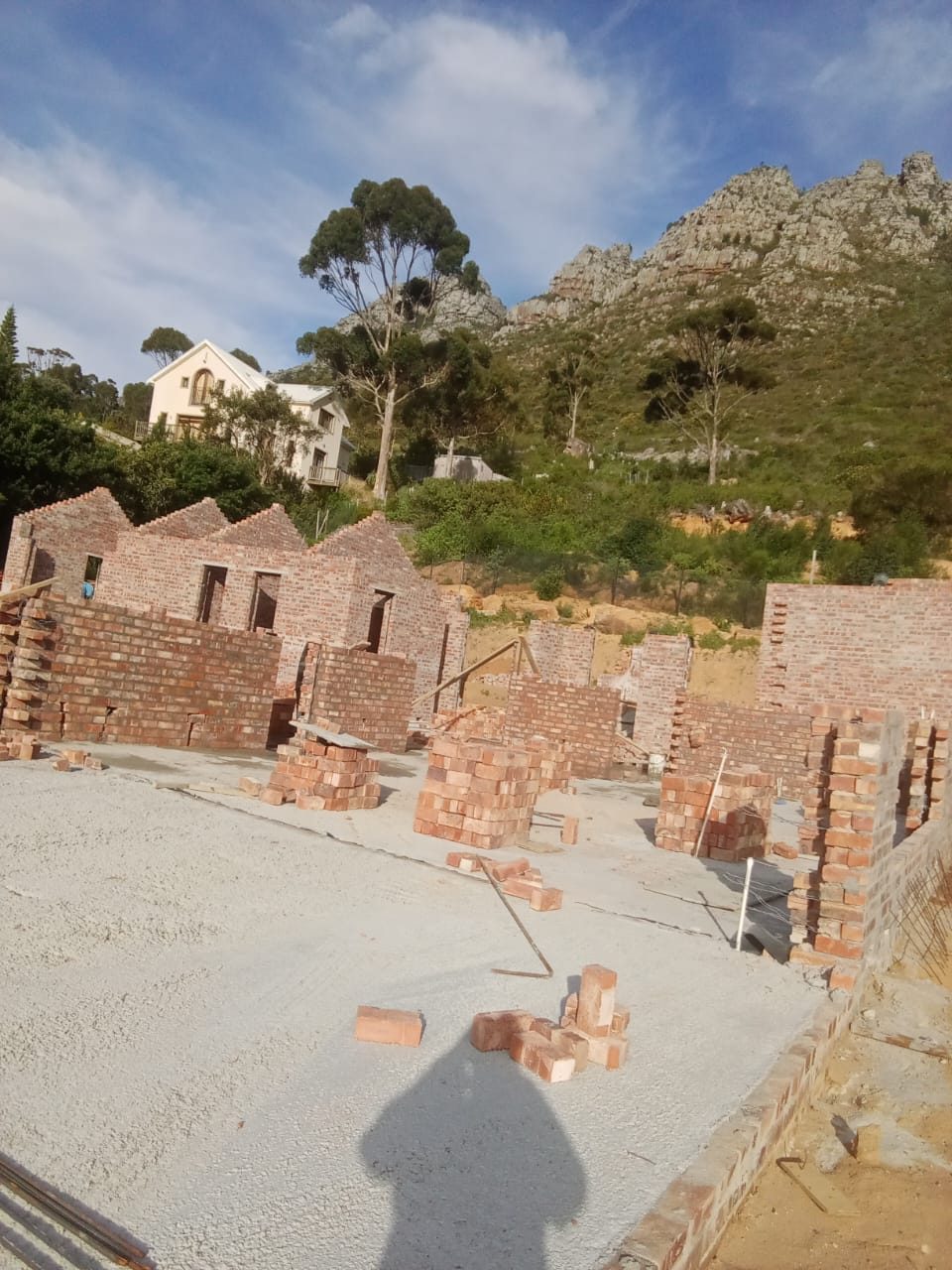
Much of Cape Town is built on slopes, from the Atlantic seaboard to the mountain suburbs and the False Bay coast. Retaining walls holding back soil carry big loads. Check for walls that lean, bulge, or have cracks, and for blocked or missing weep holes and drainage. Water building up behind a retaining wall is a common cause of failure in a wet winter. Rebuilding a large retaining wall is a serious cost and often needs an engineer’s design.
Unapproved Building Work: A Hidden Structural Risk
Many Cape Town homes have additions that were never approved: an enclosed stoep, a converted garage, a flatlet, a second storey loft, or walls removed to open up living areas. Unapproved work may not have been built to the National Building Regulations, which means foundations, beams and roof structures could be undersized. It can also create problems with insurance and future sales.
Before buying, ask the seller or agent for the approved building plans, and compare them with the house. You can request copies of approved plans from the City of Cape Town. If the house has rooms, outbuildings or openings not on the plans, ask questions. Our guide to building plans approval in Cape Town explains what needs plans.
What the Law Gives You as a Buyer
Since 1 February 2022, the Property Practitioners Act has required a mandatory disclosure form in sales handled by an estate agent. The seller lists the defects they know about, for example roof leaks, damp, structural cracks and unapproved alterations, and the form is attached to the sale agreement. Read it carefully and ask follow-up questions about anything on it.
The seller must also provide an electrical certificate of compliance before transfer. Remember that compliance certificates are not a structural inspection. An electrical certificate tells you nothing about the foundations or the roof.
Getting a Professional Inspection Before Buying
You can make your offer subject to a satisfactory inspection within a set number of days. Depending on what you see, use:
- A home inspector for a general condition report.
- A structural engineer where there are significant cracks, foundation signs or retaining wall concerns.
- A builder for a practical view and repair prices on roofing, damp, plaster cracks and waterproofing, so you can negotiate or budget.
If you are buying a house that needs work, our team can visit and give you a realistic view of the repairs. Our house renovation cost guide also gives current ranges to help you budget.
Structural Problems Before Buying a House: Common Questions
Which cracks are serious when buying a house?
Diagonal cracks from window and door corners, stepped cracks in brickwork, cracks wider than about 3 mm, and cracks that come back after repair are the ones to have checked by an engineer. Fine hairline plaster cracks are usually cosmetic.
Can I cancel a house purchase if I find structural problems?
Only if your offer allows for it, for example through an inspection condition, or if the seller hid a known defect. That is why it is worth including an inspection clause before you sign.
Does voetstoots protect the seller from structural defects?
It protects the seller against defects they did not know about. It does not protect a seller who knew about a latent defect and deliberately hid it.
Should I get a builder or an engineer to inspect a house?
Both have a place. An engineer assesses structural safety; a builder can tell you what the repairs involve and what they are likely to cost.
Thinking of buying a house that needs work? Request a quote and we will arrange a site visit to look at the repairs with you.